The growing importance of overseas voting and diaspora engagement
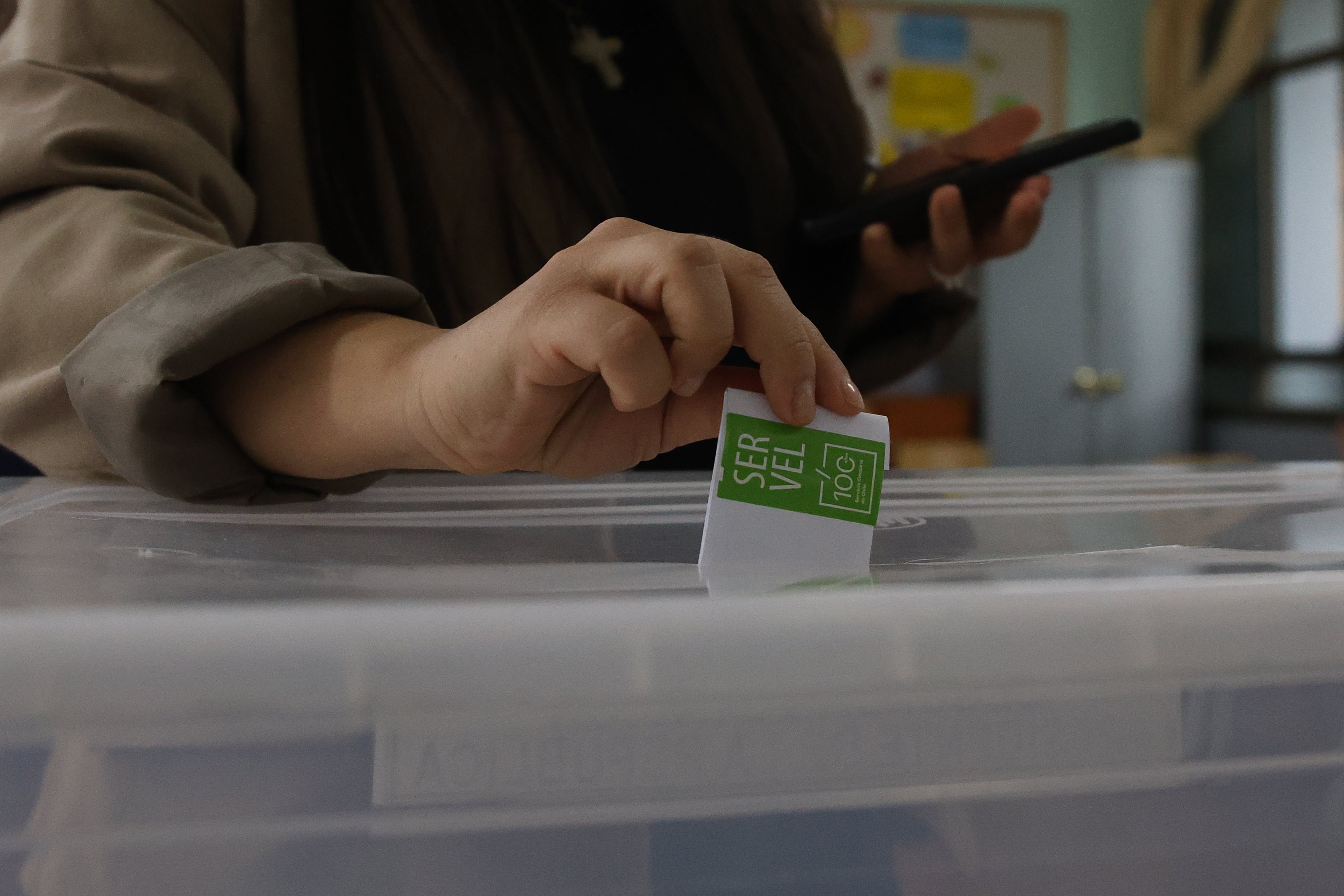
Recent elections in Colombia and Peru have highlighted the significant, often decisive, role of overseas votes, particularly in polarized contests with narrow margins. This issue has gained prominence in Spain, where Alberto Núñez Feijóo, the center-right opposition leader, has criticized the "Law of Grandchildren." This law, part of the Democratic Memory Law, allows nearly 2.5 million people to reclaim Spanish nationality. Feijóo alleges that President Pedro Sánchez might be manipulating the electoral census in his favor through this law.
The debate touches upon the concept of territorial roots, emphasizing physical presence and borders, which seems outdated in the digital age. Critics argue this perspective overlooks the substantial economic contributions of diasporas, such as remittances, which the World Bank estimates at $905 billion annually. In Chile, for instance, around one million citizens are part of the diaspora, contributing through taxes, receiving pensions, and maintaining professional and familial ties. Despite Chile being commercially open, it was slow to adopt overseas voting, which debuted in 2017. Since then, the overseas voter registry has grown, with participation linked to historical events, even with voluntary, limited, and logistically challenging voting processes.
As global human mobility is expected to increase, overseas voting will become even more critical. The current minimalist approach needs to evolve towards a fuller exercise of external citizenship, addressing asymmetries and gaps. Potential reforms include establishing an overseas constituency for representation. Governments facing emergencies should leverage the talents of all their nationals, regardless of their global location. This perspective is offered by María de los Ángeles Fernández, a Doctor of Political Science.
The increasing relevance of the overseas vote reflects a global shift, challenging traditional notions of citizenship tied to physical territory. As digital infrastructure and global mobility advance, the concept of 'roots' needs re-evaluation to encompass economic contributions and social ties beyond geographical borders. While concerns about electoral integrity are valid, they should be addressed through transparent and accessible electoral processes for all citizens, rather than by restricting participation. Future governance models may need to incorporate mechanisms for broader diaspora engagement and representation to harness national talent and foster inclusive development, acknowledging that national identity and contribution are not solely defined by residency.
AI-generated to prompt reflection — not editorial opinion, not advice, not a statement of fact. How this works.