The Guardian: Trump's Tariffs Target Brazil's Autonomy, Not Fair Trade
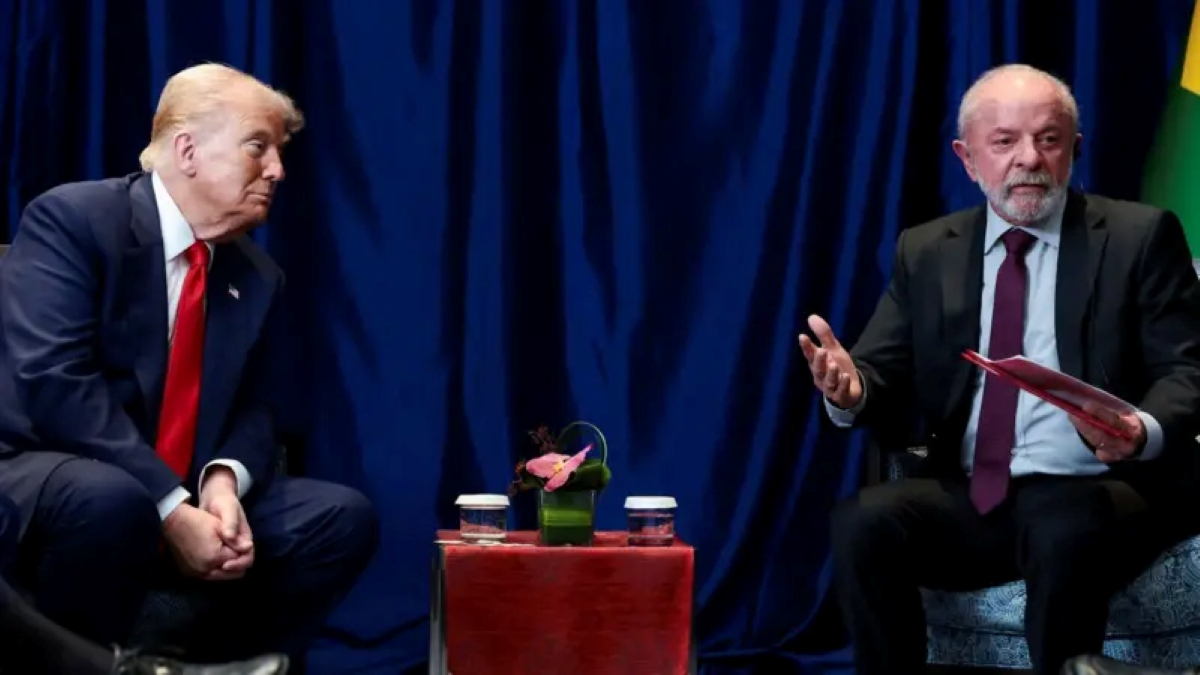
A recent editorial in The Guardian asserts that U.S. President Donald Trump's imposition of trade accusations and tariffs on Brazil is an attempt to undermine the South American nation's autonomy, rather than address unfair trade practices. The U.S. was expected to announce by July 15th whether it would implement new tariffs on Brazil as part of an investigation into alleged unfair trade behaviors, including actions against Brazil's Pix payment system. The Guardian argues that Trump frames Brazil's efforts to protect its democracy as unfair trade practices and provides a platform for "Bolsonarismo" in Washington.
The editorial highlights that President Trump dismisses Brazilian President Luiz Inácio Lula da Silva's defense of national sovereignty. While Lula aims for Brazil to control its own information space and combat disinformation, Trump believes the U.S. should have jurisdiction over it. The piece references the Brazilian Supreme Court's actions in June, which held social media platforms accountable for user content to combat online disinformation and a failed far-right coup attempt in 2023. Shortly after, Trump proposed a 25% tariff on Brazilian imports, citing U.S. tech companies' obligation to remove "political" material.
Furthermore, the Guardian points to the control of Brazil's financial infrastructure as another sovereignty issue, questioning the viability of a successful public payment infrastructure in Latin America not under U.S. control. Brazil's Pix system, designed to reduce reliance on foreign payment networks and protect its domestic system, bypasses traditional card networks like Visa and Mastercard, potentially impacting their profits. The editorial also touches on Brazil's polarized politics, noting Lula's successful tenure in reducing poverty and his return to power after corruption convictions were annulled, contrasting him with Flávio Bolsonaro, who is described as embodying similar far-right ideologies as his father. The Guardian concludes that Brazil's true "infraction" is its autonomy, which Trump rebrands as unfair trade discrimination, a narrative the "Bolsonarismo" movement readily adopts.
This situation highlights a potential conflict between national sovereignty in digital and financial infrastructure and international trade dispute mechanisms. The U.S. government's actions, framed as addressing trade imbalances, are interpreted by The Guardian as leveraging economic tools to influence or assert jurisdiction over another nation's internal affairs, particularly concerning information control and financial systems. This dynamic raises questions about the balance of power in global digital governance and the extent to which economic sanctions can be used to challenge a country's autonomy in developing its own technological and financial frameworks. The underlying incentive structures suggest a tension between promoting free markets and protecting domestic strategic assets, with potential implications for geopolitical relationships and the future of digital public infrastructure.
AI-generated to prompt reflection — not editorial opinion, not advice, not a statement of fact. How this works.