The Heat Pump of the Future: More Efficient, Quieter, and Safer?
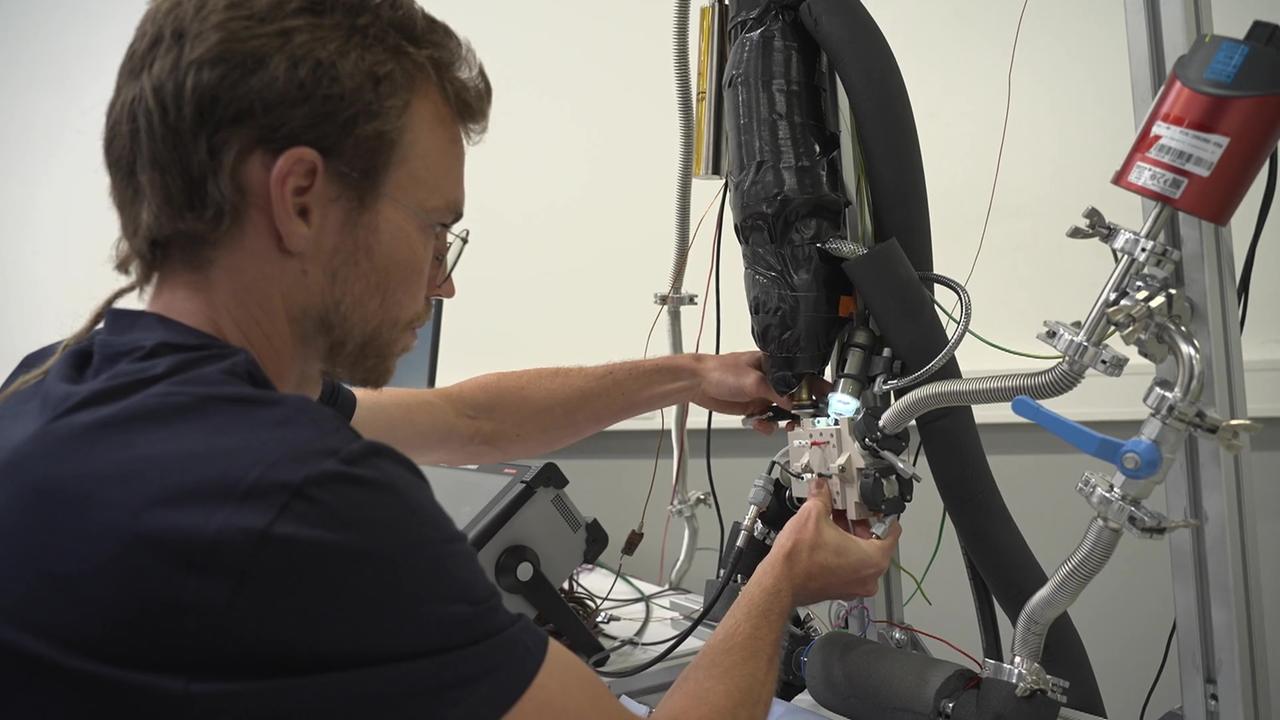
The compressor is the central component in both refrigerators and heat pumps. These compressors typically hum loudly and contain either flammable or climate-damaging gases. The article questions whether it is possible to operate these systems without such gases. This exploration delves into the future potential of heat pump technology, focusing on improvements in efficiency, noise reduction, and safety. The core of the discussion revolves around the current limitations imposed by compressor technology and the gases used within them. Researchers and engineers are likely exploring alternative refrigerants and compressor designs to address these issues. The goal is to develop heat pumps that are not only more environmentally friendly but also more user-friendly through reduced noise levels and enhanced safety features. This technological evolution could significantly impact the adoption and effectiveness of heat pumps in residential and commercial heating and cooling.
The development of heat pump technology is crucial for decarbonizing heating and cooling systems, aligning with global climate goals. Current reliance on potentially flammable or high global warming potential refrigerants presents a significant challenge for future scalability and safety. Innovations in compressor design and alternative refrigerants, such as those using natural gases or solid-state technologies, could mitigate these risks. Future systems will need to balance thermodynamic efficiency with environmental impact and safety regulations. The transition to next-generation heat pumps will require substantial investment in research and development, alongside supportive policy frameworks to encourage market adoption and ensure a sustainable energy future.
AI-generated to prompt reflection — not editorial opinion, not advice, not a statement of fact. How this works.