The 'Horse-Chasing' Rat Snake: Understanding Its Speed and Behavior
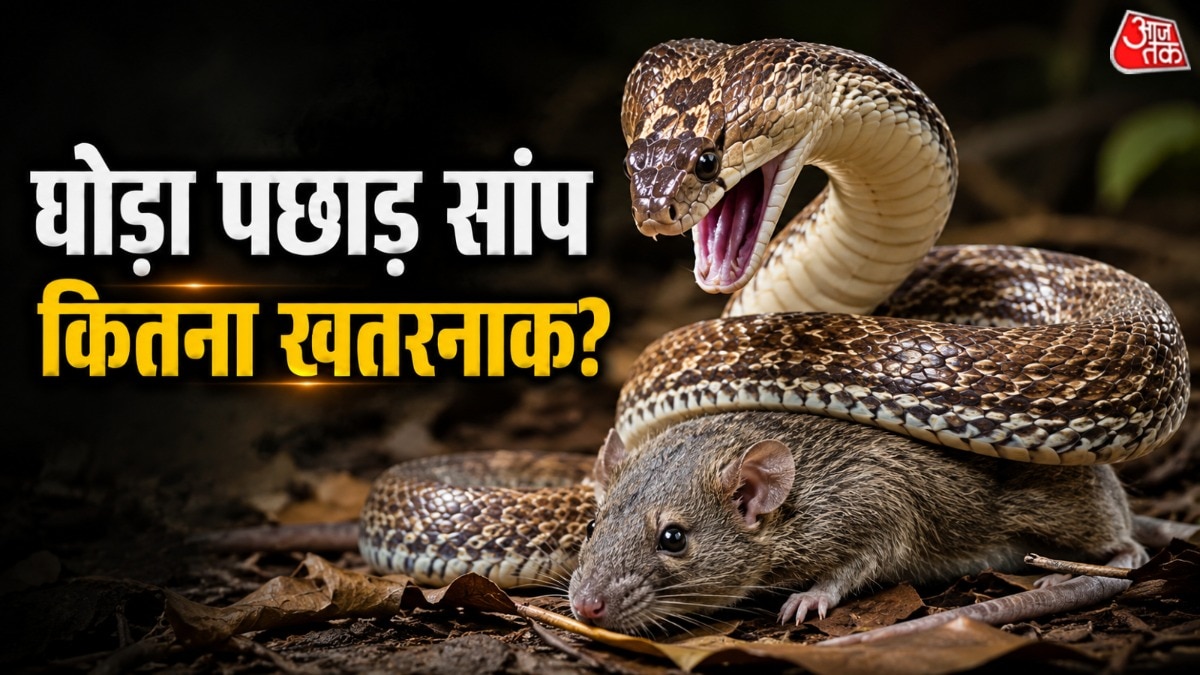
The Ghoda Pachad, commonly known as the Indian Rat Snake (Ptyas mucosa), is often mistakenly believed to be venomous. This article aims to clarify common misconceptions about this snake, particularly its speed and appropriate actions if encountered. The snake's name, 'Ghoda Pachad,' translates to 'horse-chasing,' likely due to its impressive speed, which can be compared to that of a horse. This rapid movement allows it to escape predators and hunt effectively. Despite its intimidating speed and size, the Indian Rat Snake is non-venomous. It plays a crucial role in the ecosystem by controlling rodent populations, thus indirectly benefiting agriculture. If an Indian Rat Snake is found in or around a home, it is recommended not to provoke or attempt to capture it. Due to its speed and potential for defensive biting when cornered, it is best to maintain a safe distance. The snake will typically retreat on its own if given space. For persistent issues or concerns about snake presence, contacting local wildlife rescue organizations or pest control services specializing in humane wildlife removal is advisable. Understanding the behavior and ecological importance of the Indian Rat Snake can help reduce fear and promote coexistence.
The common misconception surrounding the Indian Rat Snake's venomous nature highlights a broader societal challenge in understanding and coexisting with wildlife. The snake's 'horse-chasing' moniker, while descriptive of its speed, likely contributes to its fearful perception. Educational initiatives focusing on accurate species identification and the ecological benefits of non-venomous snakes, such as rodent control, are crucial for mitigating human-wildlife conflict. Promoting a rational approach, rather than fear-based reactions, can foster more sustainable environmental practices and reduce unnecessary harm to both snakes and humans. Future strategies should emphasize integrated pest management that accounts for the role of natural predators like the Indian Rat Snake.
AI-generated to prompt reflection — not editorial opinion, not advice, not a statement of fact. How this works.