The 'Hygiene Olympics': 50-Minute Shower Routines Spark Expert Concern
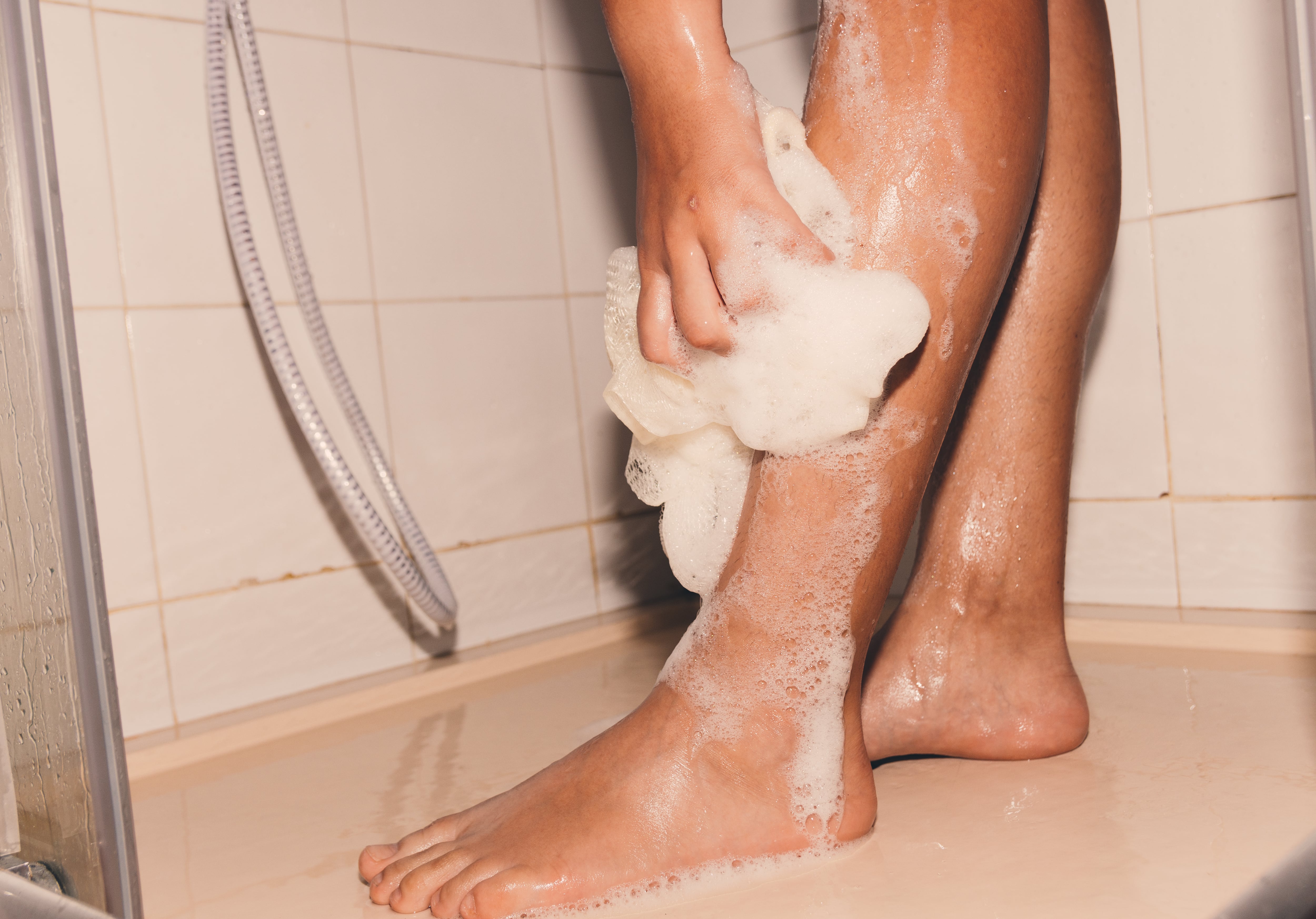
Extended shower routines, often lasting over 50 minutes, are making a comeback as a weekly self-care ritual. These comprehensive sessions can include cleaning, exfoliating, hair removal, and moisturizing. However, this trend has prompted experts to analyze its potential effects on skin, hair, and water consumption. The practice, described as an "intense ritual," involves a multi-step process that goes beyond simple hygiene. While proponents may see it as a dedicated time for self-care and pampering, the prolonged exposure to water and products raises questions about dermatological health. Furthermore, the significant water usage associated with these lengthy showers is a growing concern, particularly in regions facing water scarcity. Experts are weighing in on the balance between personal grooming and environmental impact, as well as the physiological consequences for the body. The return of these elaborate shower practices highlights a societal focus on intensive self-maintenance, but also brings to light potential drawbacks.
The resurgence of extended, multi-step showering routines reflects a societal emphasis on elaborate self-care rituals, potentially driven by a desire for control and personal sanctuary in complex times. However, the significant water consumption inherent in these 'hygiene Olympics' presents a stark contradiction with global sustainability imperatives and growing water scarcity challenges. From a public health perspective, prolonged water exposure can disrupt the skin's natural barrier, leading to dryness and irritation, while the extensive use of various products raises questions about cumulative chemical exposure. Future considerations should explore the development of more efficient, water-conscious personal care technologies and educational campaigns that promote effective hygiene within sustainable resource limits, fostering a balance between individual well-being and collective environmental responsibility.
AI-generated to prompt reflection — not editorial opinion, not advice, not a statement of fact. How this works.