The Illusion of Ownership: Digital Goods You Can't Truly Own or Resell
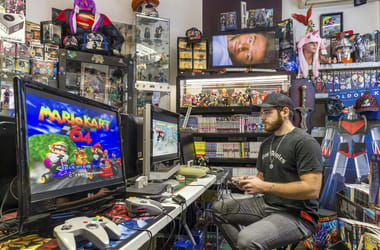
The concept of 'ownership' for digital goods like video games, e-books, and movies is increasingly being questioned. Consumers who purchase these items may find themselves in a precarious position, as their rights are often limited by terms of service and licensing agreements. Unlike physical goods, digital products cannot typically be resold or transferred to others, creating a scenario where users pay for access rather than true ownership. This trend raises significant concerns about consumer rights and the long-term implications of a digital marketplace where possession is often temporary and conditional. The ability to control, modify, or transfer these digital assets is frequently restricted, leading to a situation where consumers may 'own' a license to use a product rather than the product itself. This distinction is crucial, as it impacts the user's autonomy and the potential for secondary markets. The ongoing debate highlights the need for clearer regulations and consumer protections in the digital realm.
The shift towards digital goods challenges traditional notions of ownership, raising questions about consumer rights and market fairness. Licensing agreements often grant users the right to access content rather than outright ownership, limiting their ability to resell or transfer these assets. This model, while potentially beneficial for content creators and distributors through recurring revenue streams, creates a system where consumers bear the cost without the full privileges of ownership. Looking ahead, the increasing prevalence of digital assets necessitates a re-evaluation of intellectual property laws and consumer protection frameworks to ensure a balanced ecosystem that respects both creators' rights and users' autonomy in the digital age.
AI-generated to prompt reflection — not editorial opinion, not advice, not a statement of fact. How this works.