The Impact of Textbooks on Children's Minds
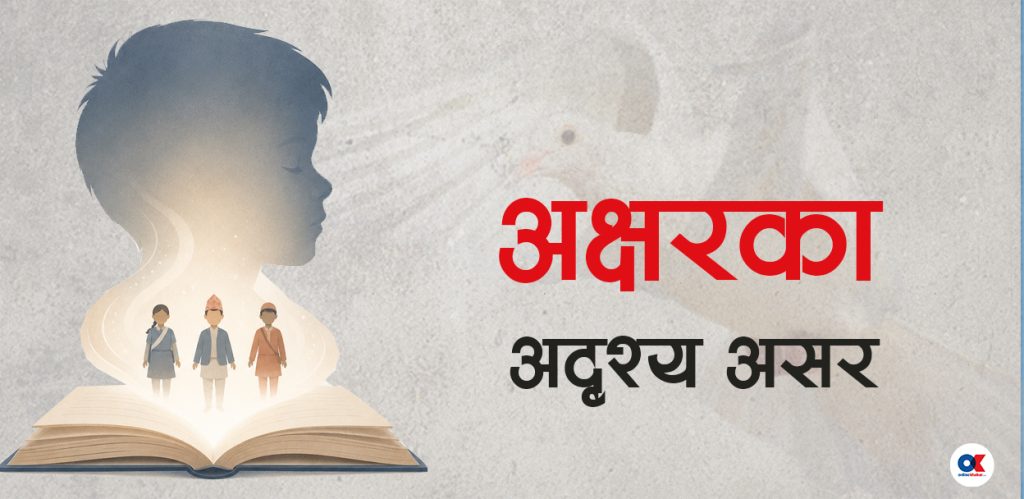
Primary level textbooks are considered crucial tools for shaping children's thinking, self-identity, social behavior, and future civic consciousness. These books play a significant role in how young minds develop and perceive the world around them. The content and presentation within these educational materials can leave a lasting impression on a child's formative years. Therefore, careful consideration must be given to the messages and values embedded in textbooks. Ensuring that textbooks foster positive development and critical thinking is essential for nurturing well-rounded individuals and responsible citizens. The influence of these early learning resources extends beyond academic knowledge, impacting a child's overall worldview and sense of self.
Textbooks serve as foundational instruments in shaping young minds, influencing not only academic understanding but also the development of identity and social behavior. The content curated for primary education carries substantial weight in forming future civic consciousness. This highlights the critical need for robust curriculum review processes that ensure alignment with developmental psychology and societal values. Future iterations of educational materials should consider pedagogical approaches that foster critical thinking and adaptability, preparing students for an evolving global landscape. The long-term impact of early educational content on individual and societal trajectories warrants ongoing scrutiny and thoughtful design.
AI-generated to prompt reflection — not editorial opinion, not advice, not a statement of fact. How this works.