The Importance of 'Qard Hasanah' in Islamic Finance
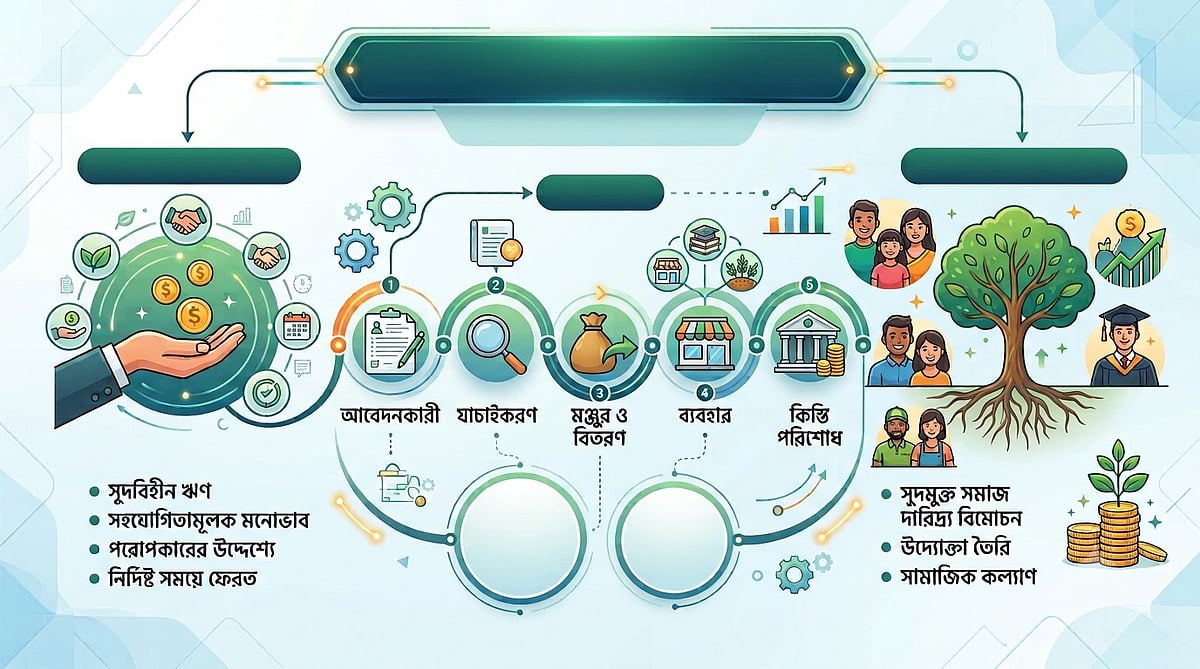
Qard Hasanah, often translated as 'benevolent loan' or 'good loan,' is a fundamental concept in Islamic finance. It represents an interest-free, profit-free, and unconditional loan provided to individuals in need. This practice is rooted in Islamic principles that emphasize charity, social welfare, and mutual support within the community. The core idea is to alleviate financial hardship without imposing any burden of repayment beyond the principal amount. This form of lending aims to foster a sense of solidarity and responsibility among Muslims, encouraging them to assist one another in times of difficulty. Unlike conventional loans that accrue interest, Qard Hasanah seeks to serve a humanitarian purpose, reflecting a commitment to ethical financial practices. It is considered a virtuous act, contributing to the spiritual well-being of both the lender and the borrower. The emphasis is on the selfless act of giving and the positive social impact it creates.
The principle of Qard Hasanah highlights an Islamic financial model prioritizing social welfare and ethical lending over profit maximization. This approach contrasts sharply with conventional banking systems, which are driven by interest-based returns. In the context of global financial systems, Qard Hasanah offers a potential framework for addressing economic inequality and providing a safety net for vulnerable populations without creating debt traps. Its emphasis on unconditional support and absence of profit aligns with growing discussions around sustainable finance and socially responsible investing. The long-term viability and scalability of such interest-free models, however, present challenges in meeting the capital demands of large-scale economic development, requiring innovative mechanisms for fund mobilization and risk management.
AI-generated to prompt reflection — not editorial opinion, not advice, not a statement of fact. How this works.