The Inside Story of Diljit Dosanjh's Film 'Satluj' and its OTT Release
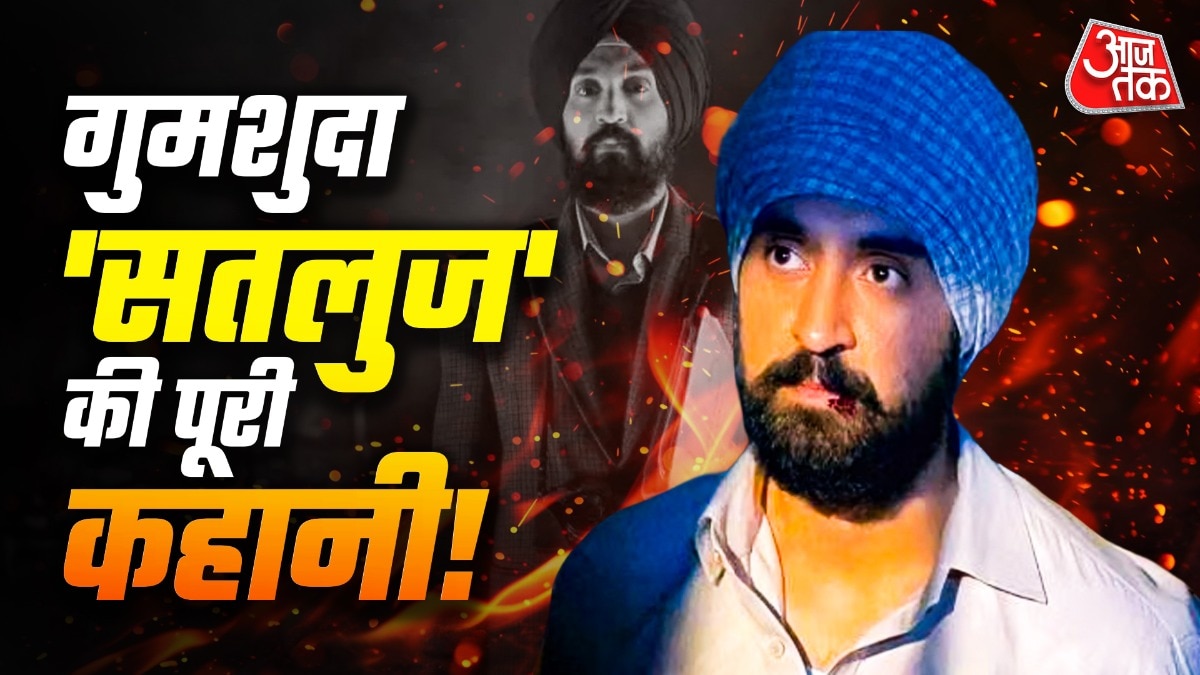
Amidst the controversy surrounding the removal of Diljit Dosanjh's film 'Satluj' from ZEE5, the full story behind its journey is coming to light. Questions have arisen regarding the Central Board of Film Certification's (CBFC) repeated demands for cuts and the legal proceedings between the filmmakers and the CBFC. The film, initially intended for theatrical release, unexpectedly transitioned to an Over-The-Top (OTT) platform. This shift has prompted public curiosity about the reasons behind the CBFC's objections and the subsequent decisions made by the film's creators. The narrative surrounding 'Satluj' involves intricate details about censorship, legal battles, and strategic distribution choices. The film's creators have faced significant challenges in navigating the regulatory landscape and ensuring its release. The decision to bypass traditional cinema halls and opt for an OTT release suggests a complex interplay of factors, including creative control and market accessibility. The full account aims to clarify the sequence of events and the underlying motivations that led to the film's current distribution status.
The situation surrounding the film 'Satluj' highlights the ongoing tension between creative expression and regulatory oversight in the Indian film industry. The CBFC's repeated demands for cuts, coupled with a sudden shift to an OTT release, suggest potential challenges in aligning artistic vision with censorship guidelines. This case underscores the evolving dynamics of film distribution, where platforms like ZEE5 offer alternative avenues for content that may face hurdles in traditional theatrical release. The narrative prompts consideration of how censorship policies impact artistic freedom and the strategic decisions filmmakers make to ensure their work reaches audiences. Future considerations may involve clearer guidelines for content moderation and a more streamlined process for navigating certification, balancing societal values with creative integrity in the digital age.
AI-generated to prompt reflection — not editorial opinion, not advice, not a statement of fact. How this works.