The Intertwined Relationship Between Cinema and Social Movements
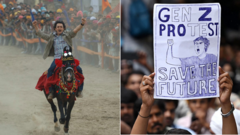
The connection between cinema and social movements is a dynamic and reciprocal one, never a one-way street. Films not only reflect societal struggles and activism but also possess the power to shape and influence these movements. This symbiotic relationship means that the art of filmmaking can serve as both a mirror to societal unrest and a catalyst for change.
Throughout history, cinema has been instrumental in documenting protests and highlighting the voices of marginalized communities. Beyond mere representation, films can foster empathy, raise awareness, and mobilize public opinion, thereby contributing to the momentum of social and political movements. Conversely, the energy and narratives generated by these movements often find their way into cinematic creations, inspiring new stories and perspectives.
The interplay between cinema and social movements highlights how cultural products can serve as both documentation and drivers of societal change. Films can amplify narratives, foster collective identity, and potentially influence public discourse and action. This dynamic suggests that the creative arts are not merely passive observers but active participants in shaping social and political landscapes. Understanding this relationship is crucial for analyzing the broader impact of media on public consciousness and the potential for cultural expression to effect tangible societal shifts over time, particularly in an era where digital platforms further accelerate information dissemination and engagement.
AI-generated to prompt reflection — not editorial opinion, not advice, not a statement of fact. How this works.