The Journey of a 13kg Gas Cylinder in Brazil: From Filling Station to Your Kitchen
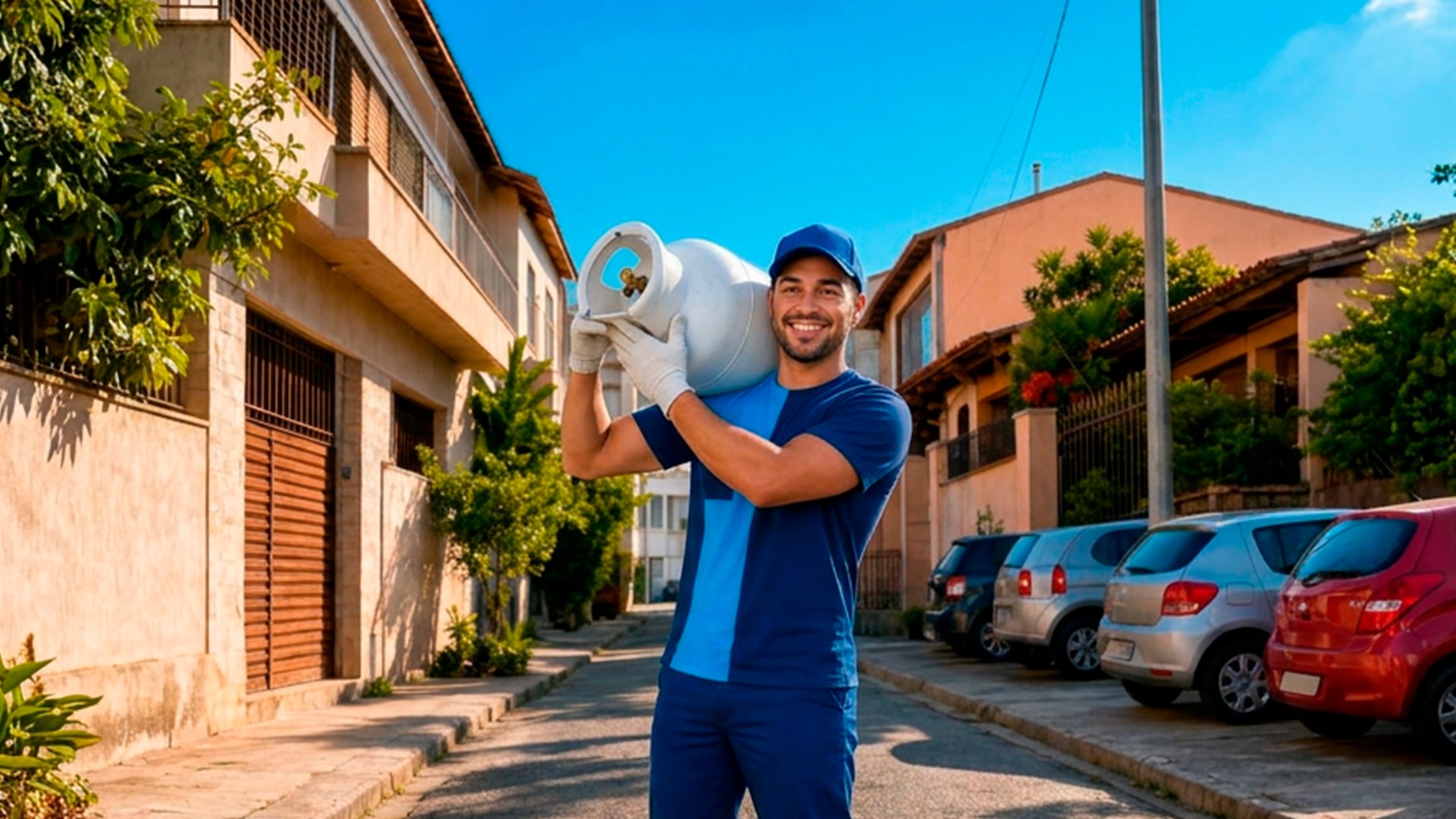
The 13kg gas cylinder, a staple in 91% of Brazilian households, undergoes a rigorous maintenance and renewal cycle before reaching consumers. This Liquefied Petroleum Gas (LPG) container is not static but part of a technological and cyclical system designed for safety and efficiency. Beyond routine inspections at filling bases, cylinders must undergo a mandatory detailed requalification every 15 years, and subsequently every ten years. This process involves comprehensive safety tests, including checks for resistance, pressure, welding integrity, and leaks. Annually, approximately 1.9 million 13kg cylinders are requalified. Brazil boasts one of the world's largest LPG networks, with over 140 million cylinders in circulation. This vast system relies on continuous exchange, inspection, maintenance, and redistribution of containers. Each cylinder is treated as a safety asset, subject to periodic integrity checks and structural tests before each refilling. The industry, represented by Sindigás, invests around R$1.4 billion annually in maintaining and renewing these vessels. This meticulous control chain ensures that the gas supply is safe and reliable, highlighting the industrial precision behind the scenes to ensure family well-being.
The extensive infrastructure and regulatory oversight for LPG cylinders in Brazil, including mandatory requalification every 15 and then 10 years, represent a significant public safety investment. This system, involving millions of cylinders and substantial annual financial commitment, aims to mitigate risks associated with pressurized gas storage and transport. The continuous cycle of inspection, maintenance, and redistribution demonstrates a mature approach to managing a critical energy resource for a large population. Looking ahead, the integration of advanced sensor technology and data analytics could further enhance predictive maintenance, optimize logistics, and potentially reduce the frequency or cost of requalification, while maintaining or improving safety standards in the face of evolving energy demands and technological capabilities.
AI-generated to prompt reflection — not editorial opinion, not advice, not a statement of fact. How this works.