The Karluk Disaster: A Canadian Arctic Expedition's Struggle for Survival
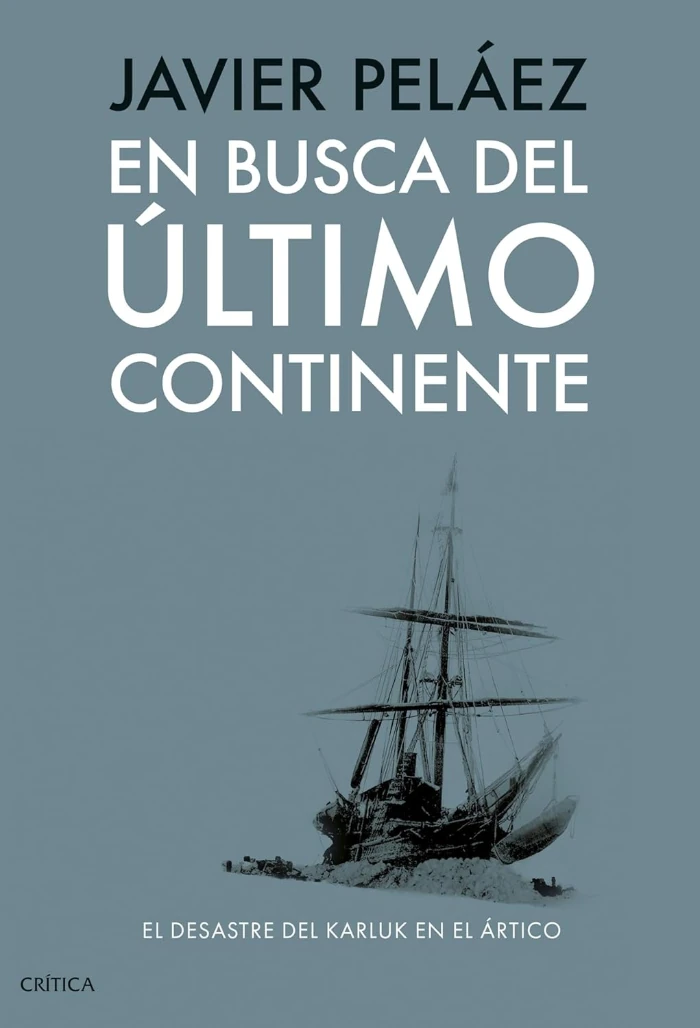
The book "En busca del último continente: El desastre del Karluk en el Ártico" by Javier Peláez, published on April 8, 2026, details the harrowing survival story of the Northern Party of the Canadian Arctic Expedition. In the early 20th century, the existence of undiscovered lands in the Arctic was a significant question, prompting Canadian explorer Vilhjalmur Stefansson to secure government funding for the expedition. However, the ambitious undertaking was marred by haste and questionable organization from its inception. Stefansson allegedly misled institutions to gain support, and the Canadian government's mandate for a summer 1913 departure led to the recruitment of inexperienced personnel. The Northern Party's vessel, the Karluk, was an aging ship, and the quality of supplies was also a concern. Compounding these issues, essential supplies, scientific equipment, and personnel were haphazardly distributed between the two ships designated for the expedition. The Karluk departed Nome on July 13, 1913, with the intention of meeting the Southern Party at Herschel Island, but it never reached its destination. By August 1, 1913, while navigating within the Arctic Circle, the ship became trapped by ice from which it could not escape. The relentless pressure of the ice eventually breached the Karluk's hull on January 10, 1914, leading to its sinking the following day. The 25 survivors abandoned the ship with salvaged provisions, establishing a camp on the ice to await a rescue that was far from guaranteed. During their ordeal, they discovered that the Arctic itself was not their only adversary.
The narrative of the Canadian Arctic Expedition highlights critical failures in risk management and operational planning within large-scale exploratory endeavors. The expedition's challenges stemmed from a confluence of factors including ambitious timelines, inadequate vetting of personnel and equipment, and potential leadership misjudgments, all exacerbated by the unforgiving Arctic environment. This historical event serves as a case study on the importance of robust logistical preparedness and the ethical considerations in prioritizing human safety over the pursuit of discovery, particularly when public funds are involved. Examining such expeditions through a contemporary lens, especially in the context of increasing resource exploration and climate change impacts in polar regions, underscores the enduring need for rigorous scientific planning, adaptable contingency strategies, and transparent governance to mitigate inherent risks and ensure the well-being of all participants.
AI-generated to prompt reflection — not editorial opinion, not advice, not a statement of fact. How this works.