The N-Rays Affair: A Historic Scientific Blunder Driven by French Physicist Prosper-René Blondlot
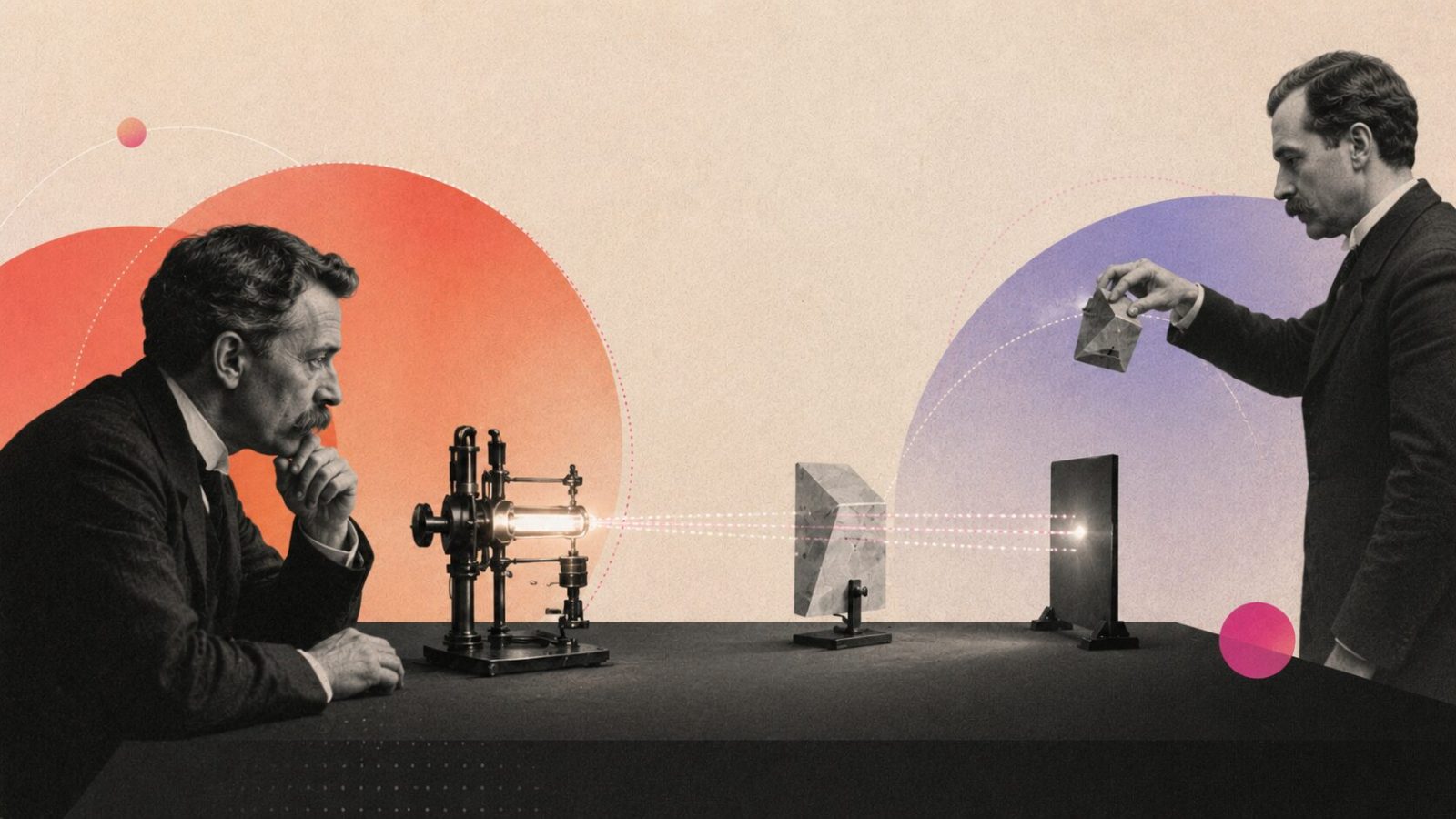
The N-rays affair, a significant scientific blunder in the history of physics, serves as a stark reminder of science's crucial role in guarding against its own illusions. This collective misjudgment stemmed from the perceived detection of non-existent rays, a phenomenon that misled even renowned scientists. The core of the issue lay in the subjective nature of observations, where researchers convinced themselves of the existence of these rays. This led to a widespread, yet ultimately unfounded, belief within the scientific community. The affair highlights how powerful biases and the desire for discovery can cloud objective scientific inquiry. It underscores the importance of rigorous methodology and independent verification in scientific research. Ultimately, the N-rays incident is remembered as a landmark case of scientific error, demonstrating the potential for widespread delusion even among esteemed researchers.
The N-rays incident exemplifies a collective scientific delusion, where the subjective interpretation of phenomena, amplified by groupthink, led to the widespread acceptance of non-existent observations. This historical episode underscores the critical importance of robust experimental design, objective measurement, and independent replication in scientific validation. It highlights the inherent tension between the pursuit of novel discoveries and the imperative for rigorous skepticism. The affair serves as a cautionary tale about the potential for cognitive biases to influence scientific consensus, emphasizing the need for continuous self-correction mechanisms within the scientific community to prevent similar large-scale errors in the future, particularly as scientific endeavors become increasingly complex and reliant on sophisticated instrumentation.
AI-generated to prompt reflection — not editorial opinion, not advice, not a statement of fact. How this works.