The Natural White Bloom on Plums: An Invisible Protective Wax
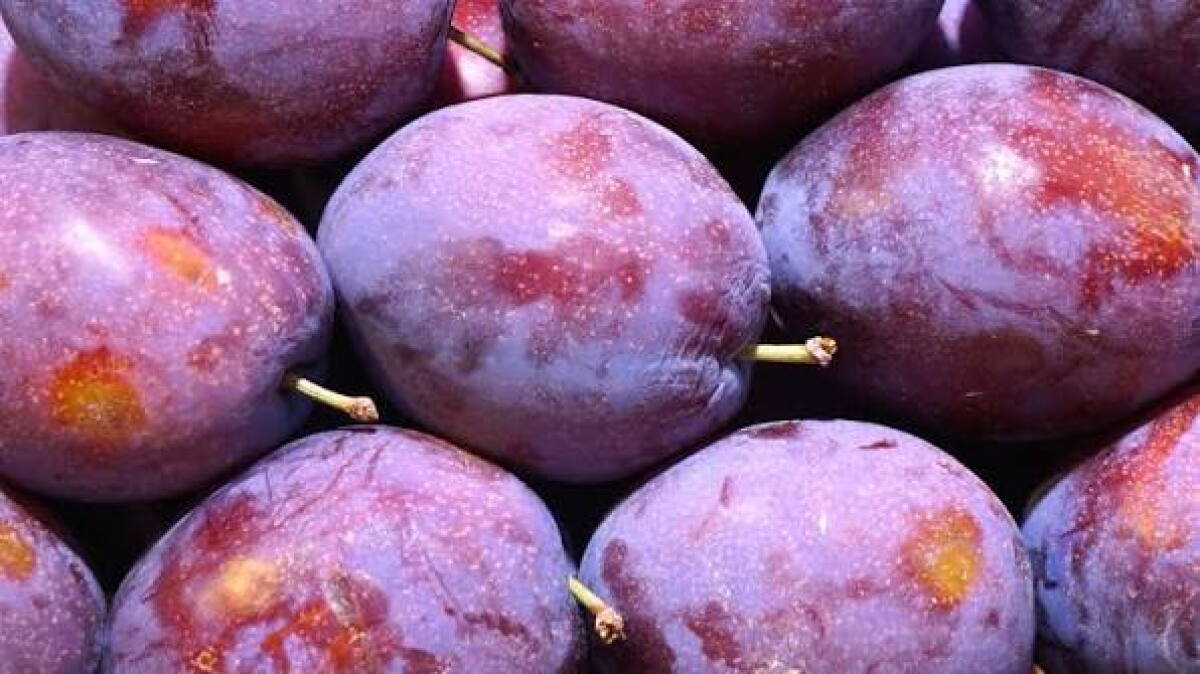
Plums naturally develop a white, powdery coating on their skin, which is not mold or a chemical residue but rather an invisible wax. This bloom serves as a natural protective layer for the fruit. Experts advise consumers not to wash the plums before storing them, as this wax is crucial for preserving their freshness and quality. Removing the bloom can accelerate spoilage and reduce the fruit's shelf life. The natural wax helps to retain moisture within the plum and acts as a barrier against external contaminants. Therefore, this protective layer is essential for maintaining the fruit's integrity until it is consumed. Understanding the purpose of this natural coating allows consumers to better appreciate and handle their produce.
The natural wax bloom on plums highlights a common consumer misunderstanding regarding food appearance and natural processes. This phenomenon underscores the importance of educating the public about the biological mechanisms that protect produce, differentiating them from spoilage or artificial treatments. In an era increasingly focused on natural and organic products, recognizing and preserving these inherent protective features is key. The advice to avoid washing the fruit before storage emphasizes a shift towards practices that maintain product integrity and reduce waste, aligning with broader sustainability goals. This perspective encourages a deeper appreciation for the natural lifecycle of food and informed consumer choices.
AI-generated to prompt reflection — not editorial opinion, not advice, not a statement of fact. How this works.