The Neglected Importance of Economic Geography and Location in Professional Analysis
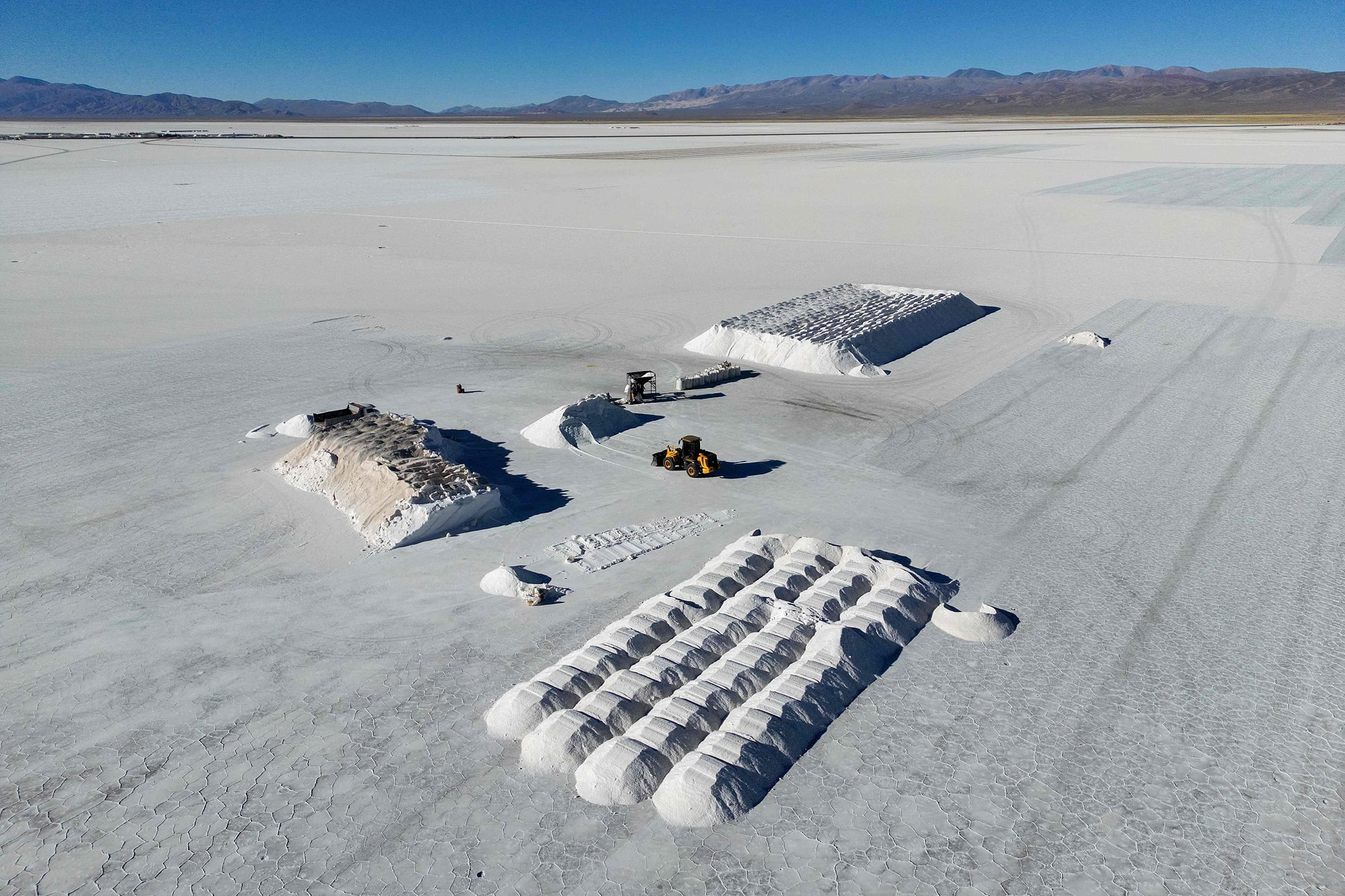
Economic geography and the influence of both natural and man-made location factors are frequently overlooked in professional analysis. This underdeveloped area of study, though critically important, receives little attention. The way a place is situated, both geographically and through human development, significantly impacts economic outcomes. These spatial considerations can affect trade routes, resource accessibility, labor markets, and infrastructure development. Ignoring these elements leads to incomplete and potentially flawed economic assessments. A more integrated approach that incorporates economic geography would provide a richer and more accurate understanding of economic phenomena. This field's lack of development means that crucial drivers of economic success or failure are often left unexamined. Addressing this gap is essential for more robust and effective economic planning and policy-making.
The omission of economic geography and location from standard professional analysis suggests a potential systemic bias towards abstract models over tangible spatial realities. This oversight may stem from the complexity of quantifying geographical influences or a historical focus on other economic drivers. Future economic frameworks, particularly in an increasingly interconnected and resource-aware world, will likely need to integrate these spatial dimensions more rigorously. Understanding the interplay between physical geography, infrastructure, and economic activity is crucial for identifying regional disparities, optimizing resource allocation, and anticipating the impact of global supply chain shifts. Acknowledging and developing the field of economic geography could provide a more nuanced lens for policy decisions, fostering more resilient and equitable economic development.
AI-generated to prompt reflection — not editorial opinion, not advice, not a statement of fact. How this works.