The 'No White for Guests' Wedding Rule: Origins and Notable Exceptions
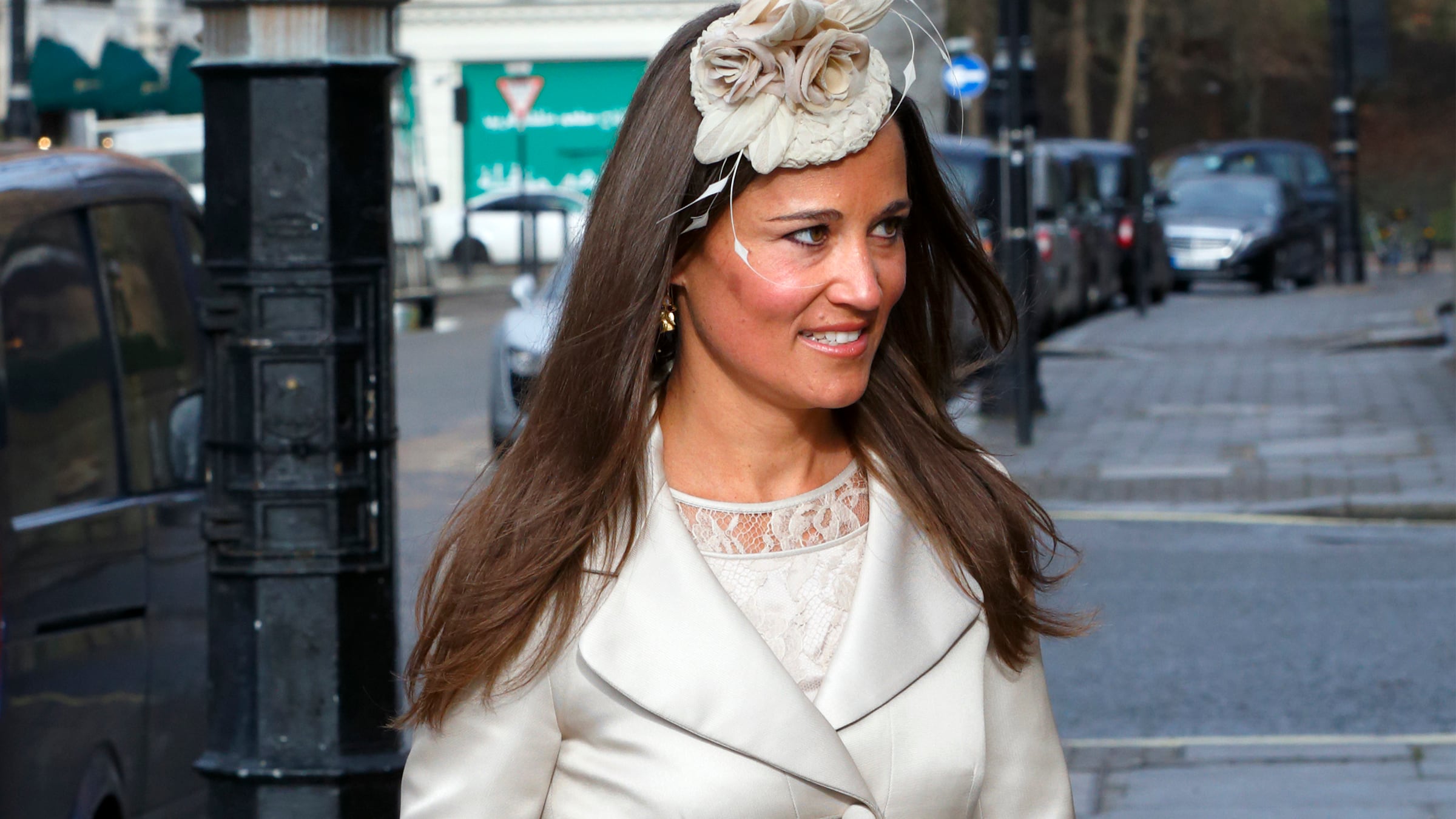
The tradition of the bride wearing white at weddings, while seemingly ancient, is a relatively recent etiquette norm. The origin of this widespread rule, which dictates that guests should not wear white, is explored in this piece. While the bride's exclusive right to white is largely unquestioned, the history behind this specific guest restriction is less commonly known. The article delves into the historical context and social implications of this sartorial guideline. It also touches upon notable instances where this rule has been challenged or observed differently, referencing figures like Pippa Middleton and Wallis Simpson. These examples highlight how the interpretation and adherence to wedding dress codes can vary across different eras and social circles. The piece aims to shed light on the evolution of wedding etiquette and the unspoken rules that govern guest attire.
The 'no white for guests' wedding rule, while presented as a matter of etiquette, reflects evolving social norms and the symbolic power attributed to clothing. Historically, sumptuary laws and social stratification influenced dress codes, with specific colors or fabrics reserved for certain classes or occasions. In the modern context, the bride's exclusive use of white can be seen as a performance of purity and singularity, a concept amplified by media and popular culture. The exceptions noted, such as Pippa Middleton's or Wallis Simpson's attire, suggest that adherence to such rules is often influenced by individual status, celebrity, and the specific social dynamics of the event. As societal structures become more fluid and individual expression gains prominence, traditional dress codes may continue to be reinterpreted or challenged, leading to a broader spectrum of acceptable guest attire in the future.
AI-generated to prompt reflection — not editorial opinion, not advice, not a statement of fact. How this works.