The Ocean: A Cosmic Monster Reflecting Human Finitude
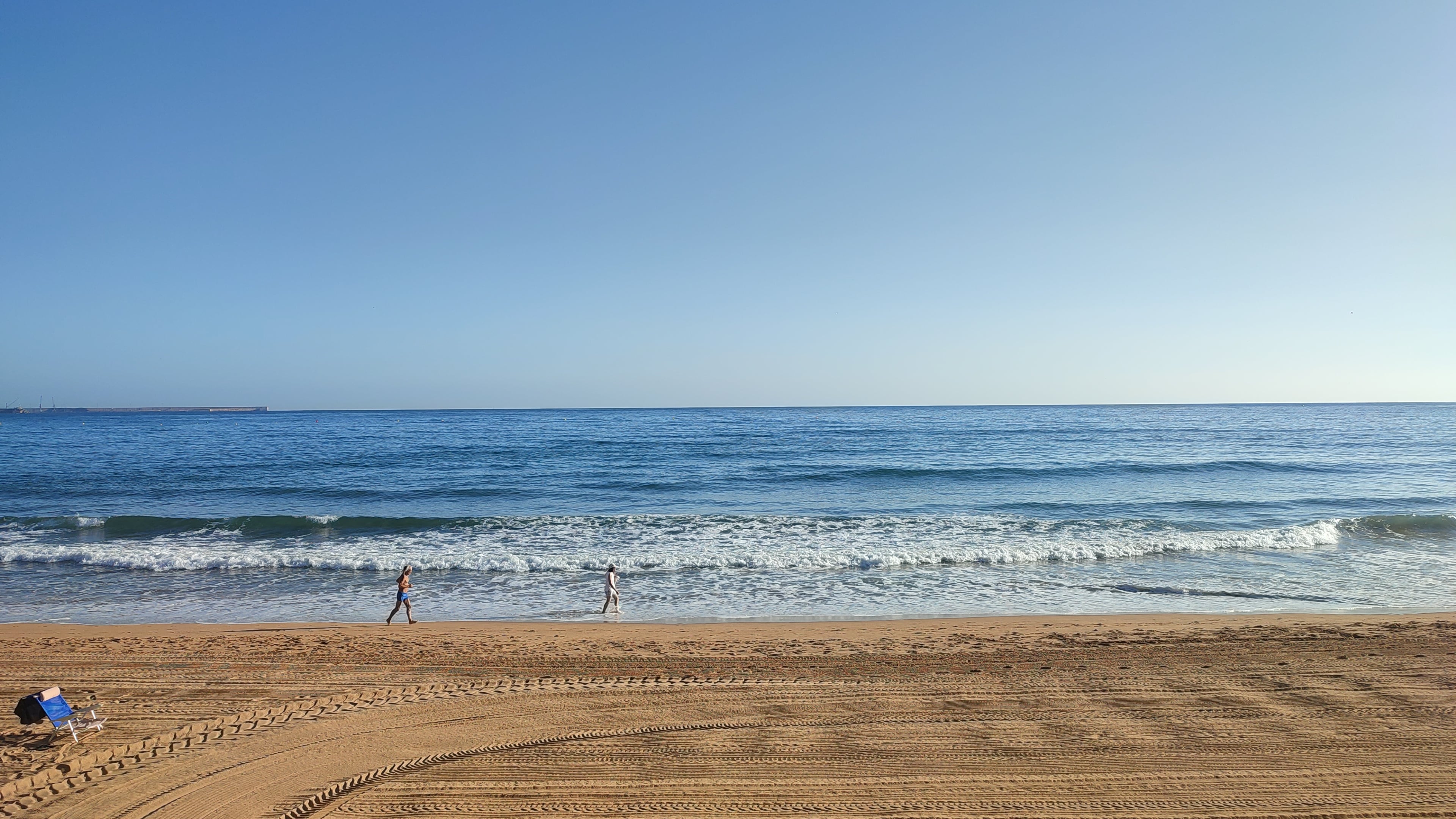
The ocean, described as a cosmic monster, perpetually interacts with the Earth's shores, lapping at beaches and pushing against cliffs. This continuous action of the sea serves as a powerful metaphor for the eternal nature of the world. In contrast, the text highlights humanity's own finite existence. The ocean's unending presence underscores our transient lifespan. This juxtaposition between the enduring ocean and the ephemeral human experience is a central theme. The narrative emphasizes the vastness and timelessness of the marine environment. It contrasts this with the limited duration of human life. The ocean's relentless movement symbolizes the world's enduring existence. Our own mortality is presented as a stark counterpoint to this cosmic scale.
The source text uses evocative language to frame the ocean as an eternal, almost sentient entity in contrast to human mortality. This framing can evoke feelings of awe or existential dread. From a systems perspective, the ocean's geological and ecological processes operate on timescales far exceeding human lifespans, naturally creating a sense of scale. The 'fear' mentioned likely stems from this perceived power imbalance and the reminder of our own impermanence. Understanding this dynamic can inform how societies approach environmental stewardship and long-term planning, recognizing that human actions have consequences within a much larger, enduring natural system.
AI-generated to prompt reflection — not editorial opinion, not advice, not a statement of fact. How this works.