The Origin of Red and Yellow Cards in Football
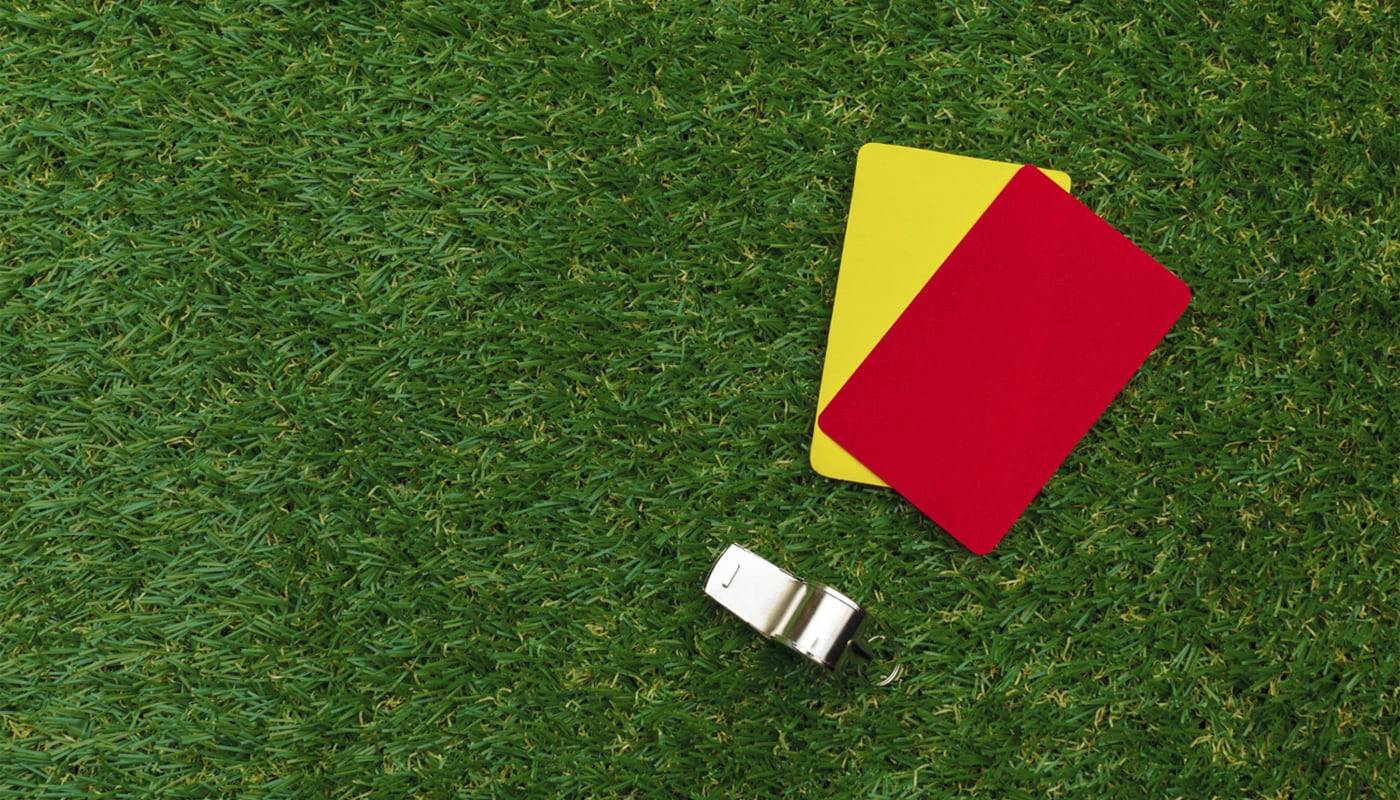
The red and yellow cards used in football matches have a specific origin story that is not widely known among fans. These cards were introduced to improve communication and clarity during games, particularly regarding player discipline. The concept was inspired by traffic lights, using red to signify "stop" or expulsion and yellow to indicate "caution" or a warning. This system aimed to make referee decisions more understandable to players, officials, and spectators alike. Before their implementation, disciplinary actions could sometimes lead to confusion or disputes on the field. The adoption of colored cards standardized the process, ensuring a consistent and universally recognized method for signaling fouls and misconduct. This innovation has since become a fundamental element of football officiating worldwide. The system's effectiveness lies in its simplicity and visual clarity, making it an indispensable tool for referees to manage the game's flow and enforce its rules. The introduction of these cards has profoundly impacted the sport's governance and player conduct.
The introduction of red and yellow cards represents a significant innovation in sports officiating, transforming player discipline from potentially ambiguous verbal cues to a clear, universally understood visual system. This standardization, inspired by the intuitive logic of traffic signals, effectively reduced communication friction between referees and players, thereby enhancing game management. Looking ahead, the principles behind this innovation—clarity, consistency, and visual communication—remain critical as sports evolve, especially with the increasing integration of technology and the potential for more complex rule sets. The success of the card system highlights how simple, well-designed systems can profoundly impact human behavior and adherence to rules within complex environments.
AI-generated to prompt reflection — not editorial opinion, not advice, not a statement of fact. How this works.