The Origins of Spa-Francorchamps' Legendary Corner Names in Formula 1
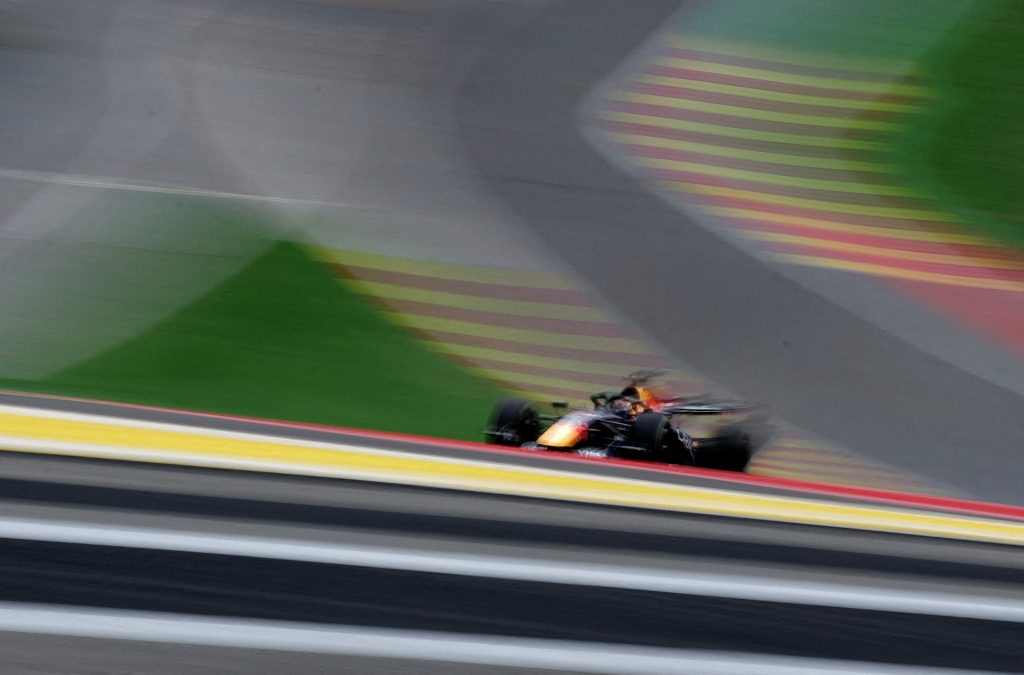
The Circuit de Spa-Francorchamps in Belgium, a renowned destination for motorsport enthusiasts globally, features several legendary corners whose names hold significant meaning. These names often stem from historical events, local geography, or notable figures associated with the circuit. For instance, the Eau Rouge corner, one of the most famous and challenging on the F1 calendar, is named after the small river that flows through the valley. The Raidillon, which follows Eau Rouge, is named after a steep, winding road that runs alongside the track. Other corners, such as Kemmel Straight and Blanchimont, are named after nearby villages or geographical features. The naming of these corners adds a layer of history and character to the already iconic circuit, contributing to its allure for drivers and fans alike. Understanding these origins provides a deeper appreciation for the heritage of one of Formula 1's most historic venues. The track's challenging layout and rich history make it a perennial favorite on the Grand Prix schedule.
The naming conventions of iconic motorsport circuits like Spa-Francorchamps often reflect a blend of geographical context, historical events, and local nomenclature. This practice not only enriches the narrative surrounding a venue but also serves as a form of cultural branding, enhancing its global recognition. In an era increasingly dominated by standardized infrastructure, the distinct identities forged through such naming traditions become valuable assets. These names can foster a sense of place and tradition, influencing fan engagement and driver psychology. As motorsport evolves, preserving and understanding these historical markers offers a counterpoint to the relentless drive for technological advancement, reminding stakeholders of the human and historical dimensions that underpin the sport's enduring appeal.
AI-generated to prompt reflection — not editorial opinion, not advice, not a statement of fact. How this works.