The Other World Cup: When Disinformation Plays on the Team
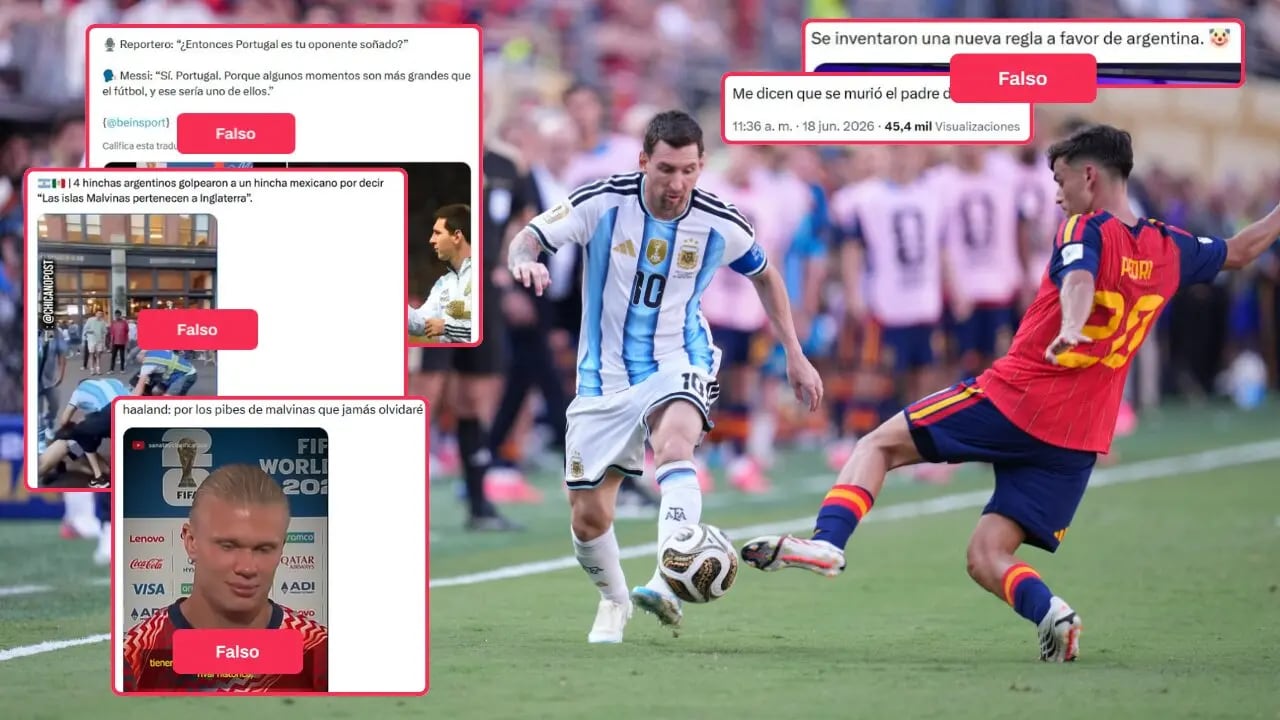
Football's intense emotional appeal makes it a fertile ground for distorting conversations, deepening tensions, and inciting conflict. Millions of people are deeply invested in the passion that the sport generates, leaving them susceptible to manipulation. This environment can be exploited to spread misinformation, creating a parallel narrative that diverges from factual reporting.
The article highlights how the fervor surrounding major football events, like the World Cup, can be leveraged by malicious actors. These actors aim to sow discord and exploit existing societal divisions through deceptive content. The emotional connection fans have to their teams and the sport itself makes them particularly vulnerable to narratives that play on their loyalties and biases. Ultimately, the goal is to manipulate public opinion and create a climate of distrust and hostility, extending beyond the realm of sports into broader societal issues.
The intersection of high-emotion events like the World Cup and the digital information ecosystem presents a recurring challenge. During such periods, the amplified passion of millions can be a vector for coordinated disinformation campaigns. These campaigns often exploit existing societal fault lines, aiming to generate polarization and distrust. Looking ahead, the increasing sophistication of AI-generated content will likely exacerbate this problem, making it harder to discern authentic narratives from fabricated ones. Developing robust digital literacy programs and platform accountability mechanisms will be crucial to mitigate these risks and foster a more resilient public sphere.
AI-generated to prompt reflection — not editorial opinion, not advice, not a statement of fact. How this works.