The Police's 'End of the World' Song Was Actually a Joke
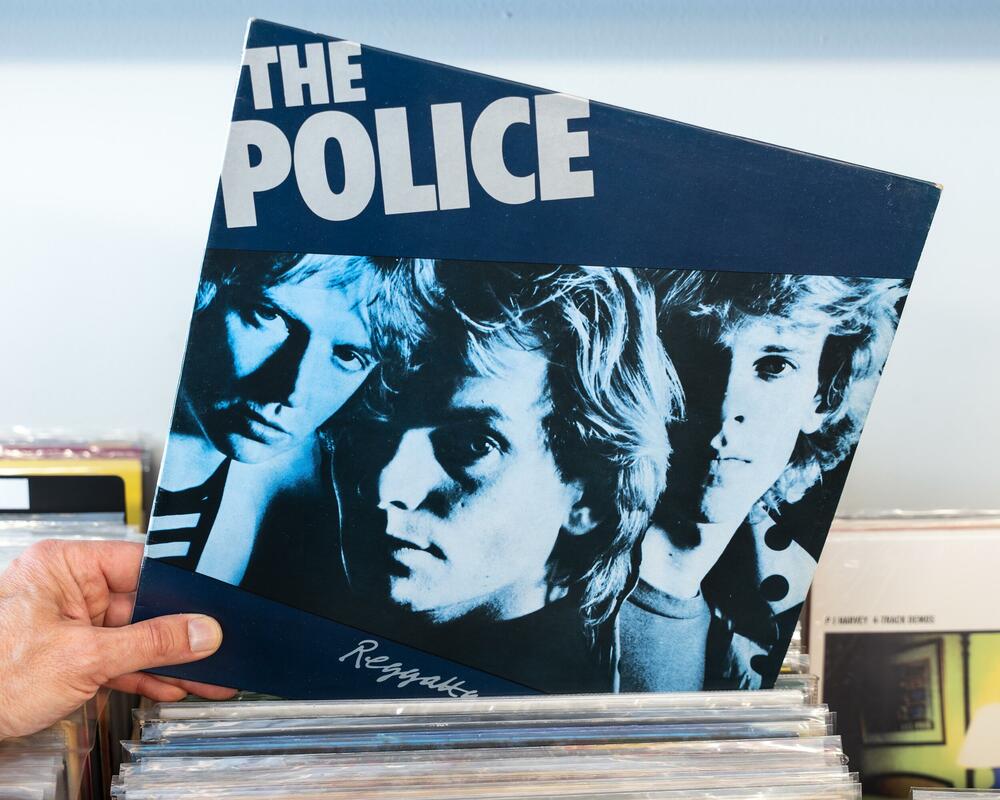
The iconic British rock band The Police released a song about the end of the world that was intended as a joke. The track, featured on their 1980 album "Zenyatta Mondatta," presented a post-apocalyptic narrative. Frontman Sting wrote the song, which explored themes of global destruction and societal collapse. Despite its serious subject matter, the band's intention was to create a somewhat humorous, albeit dark, commentary on the anxieties of the time. The song's unusual and somewhat quirky approach to a dire subject contributed to its unique place in The Police's discography. "Zenyatta Mondatta" was the band's third studio album and included other notable hits. The song's reception highlighted a fascinating duality in its interpretation by listeners, who often took its apocalyptic imagery at face value. This reveals an interesting aspect of how artistic intent can be perceived differently from the final output.
The creation of a song with apocalyptic themes, intended as a joke, highlights the complex interplay between artistic expression and audience reception. It demonstrates how even serious subject matter can be approached with levity, yet still resonate with listeners on a profound level, sometimes contrary to the creator's original intent. This phenomenon underscores the power of cultural anxieties to shape interpretation, suggesting that audiences may project their own fears onto artistic works. In the context of the early 1980s, a period marked by Cold War tensions and nuclear proliferation fears, a song about the end of the world, even a humorous one, could easily tap into prevailing societal unease. This situation invites reflection on how artists navigate the communication of complex emotions and ideas, and how the passage of time and evolving societal contexts can alter the meaning and impact of creative works.
AI-generated to prompt reflection — not editorial opinion, not advice, not a statement of fact. How this works.