The Power and Peril of Regular Expressions
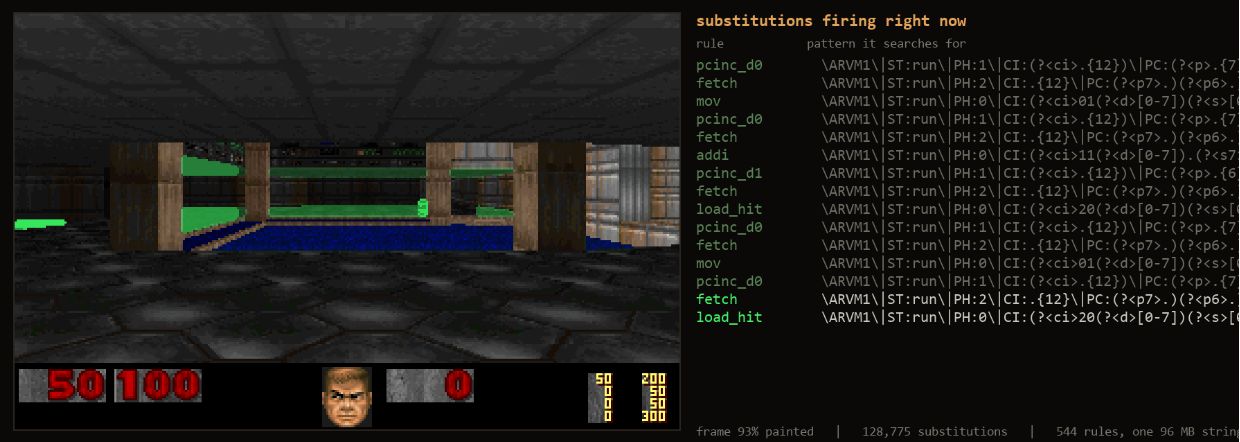
Regular expressions, often shortened to regexes, are a potent tool for text manipulation and pattern matching. They can be viewed as a form of programming language, possessing Turing completeness, which signifies their capacity to perform any computation that a universal Turing machine can. This power allows regexes to handle complex operations on text data with remarkable efficiency. However, their intricate nature and the potential for poorly constructed expressions can lead to significant performance issues. Specifically, certain regex patterns can cause a "catastrophic backtracking" scenario, where the engine expends an excessive amount of time and resources attempting to find a match. This vulnerability, sometimes referred to as a "ReDoS" (Regular Expression Denial of Service) attack, can be exploited to disrupt services that rely on regex processing. Developers must be mindful of these risks and employ best practices to ensure the security and stability of applications using regular expressions. Understanding the nuances of regex construction is crucial for harnessing their full potential while mitigating potential downsides.
Regular expressions offer a powerful paradigm for text processing, enabling sophisticated pattern matching and data extraction. Their Turing-complete nature underscores their computational depth, but also introduces inherent risks. The potential for denial-of-service vulnerabilities, stemming from catastrophic backtracking in poorly crafted expressions, highlights a critical trade-off between expressiveness and security. As systems increasingly rely on text-based data and automated processing, the robust design and secure implementation of regex usage become paramount. Future-proofing applications will involve not only leveraging the power of regex but also developing sophisticated defenses against their misuse, ensuring system resilience in an evolving digital landscape.
AI-generated to prompt reflection — not editorial opinion, not advice, not a statement of fact. How this works.