The Power of Boredom: How Summer Vacation Fuels Children's Creativity
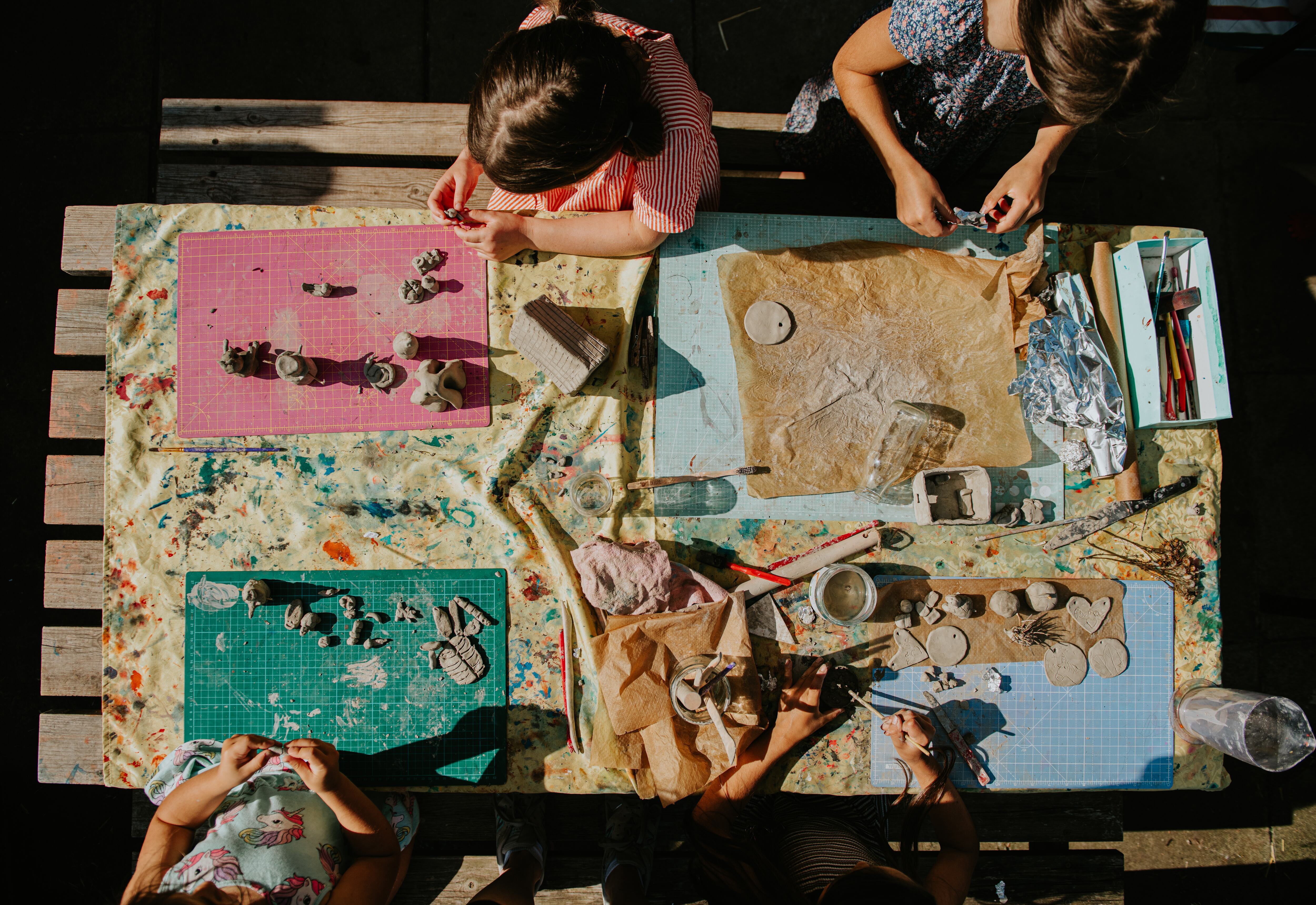
Summer vacation provides children with extended periods of unstructured time, offering a unique opportunity for exploration, experimentation, and learning to manage their free hours. This period of 'blank hours' is crucial for fostering creativity. The key lies in allowing children the space to discover and engage with activities independently, without the imposition of rigid, pre-established schedules. Parental involvement should focus on guidance and support rather than dictating activities or setting strict timetables. This approach encourages self-directed learning and imaginative play, essential components of childhood development. By embracing boredom, children can develop problem-solving skills and discover new interests. The unstructured nature of summer break allows for a more organic and child-led approach to learning and personal growth. Ultimately, the summer holiday serves as an ideal laboratory for nurturing a child's creative potential.
The unstructured nature of summer vacation presents a valuable opportunity for children to develop essential cognitive and emotional skills, such as creativity and self-management. In an increasingly scheduled world, periods of boredom can act as a catalyst for innovation and independent thought. This environment allows children to experiment with ideas and activities without external pressure, fostering intrinsic motivation. The challenge for parents and educators is to balance providing a supportive framework with allowing sufficient autonomy. Over-scheduling can stifle the very creative processes that unstructured time is meant to cultivate. Future educational paradigms may need to incorporate more intentional 'boredom' periods to enhance children's adaptive capacity in a rapidly changing technological landscape.
AI-generated to prompt reflection — not editorial opinion, not advice, not a statement of fact. How this works.