The Predictability of Environmental Laws: A Look at NEPA
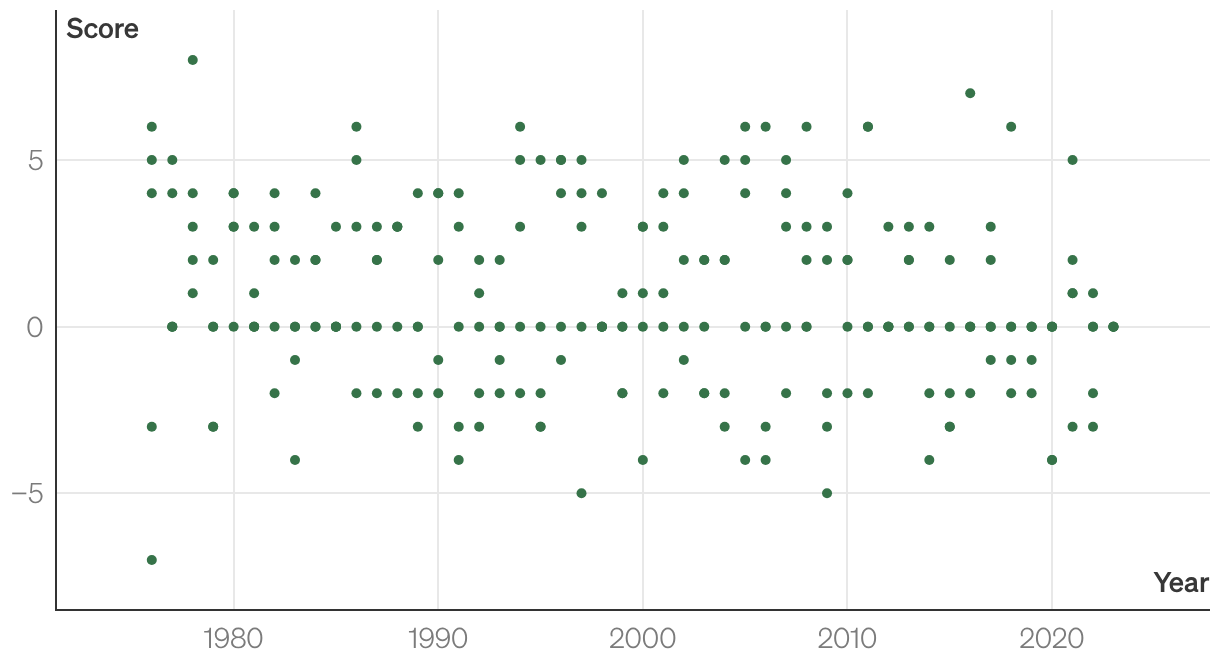
The National Environmental Policy Act (NEPA) is a significant piece of legislation that has generated considerable discussion and debate regarding its implementation and compliance. Much attention has been devoted to the challenges and complexities associated with adhering to NEPA's requirements. This law, often referred to by its acronym, has been a focal point for legal scholars, environmental advocates, and industry professionals alike. The discussions surrounding NEPA often revolve around the balance between environmental protection and the pace of development. Understanding the practical implications of NEPA is crucial for anyone involved in projects that may have environmental impacts. The ongoing dialogue highlights the inherent difficulties in creating environmental regulations that are both effective and straightforward to follow. The extensive commentary on NEPA underscores its importance and the ongoing efforts to navigate its provisions.
The extensive commentary on the National Environmental Policy Act (NEPA) indicates a persistent tension between the legislative intent of environmental protection and the practical realities of regulatory compliance. This dynamic raises questions about the inherent predictability of broad environmental statutes, particularly as they interact with diverse economic activities and evolving scientific understanding. Future legislative frameworks might benefit from exploring mechanisms that enhance clarity and reduce administrative burdens, thereby fostering more consistent application and outcomes. Evaluating NEPA's effectiveness over time through the lens of long-term environmental health and economic efficiency will be crucial for informing subsequent policy adjustments.
AI-generated to prompt reflection — not editorial opinion, not advice, not a statement of fact. How this works.