The Psychological Impact of Having Many Houseplants
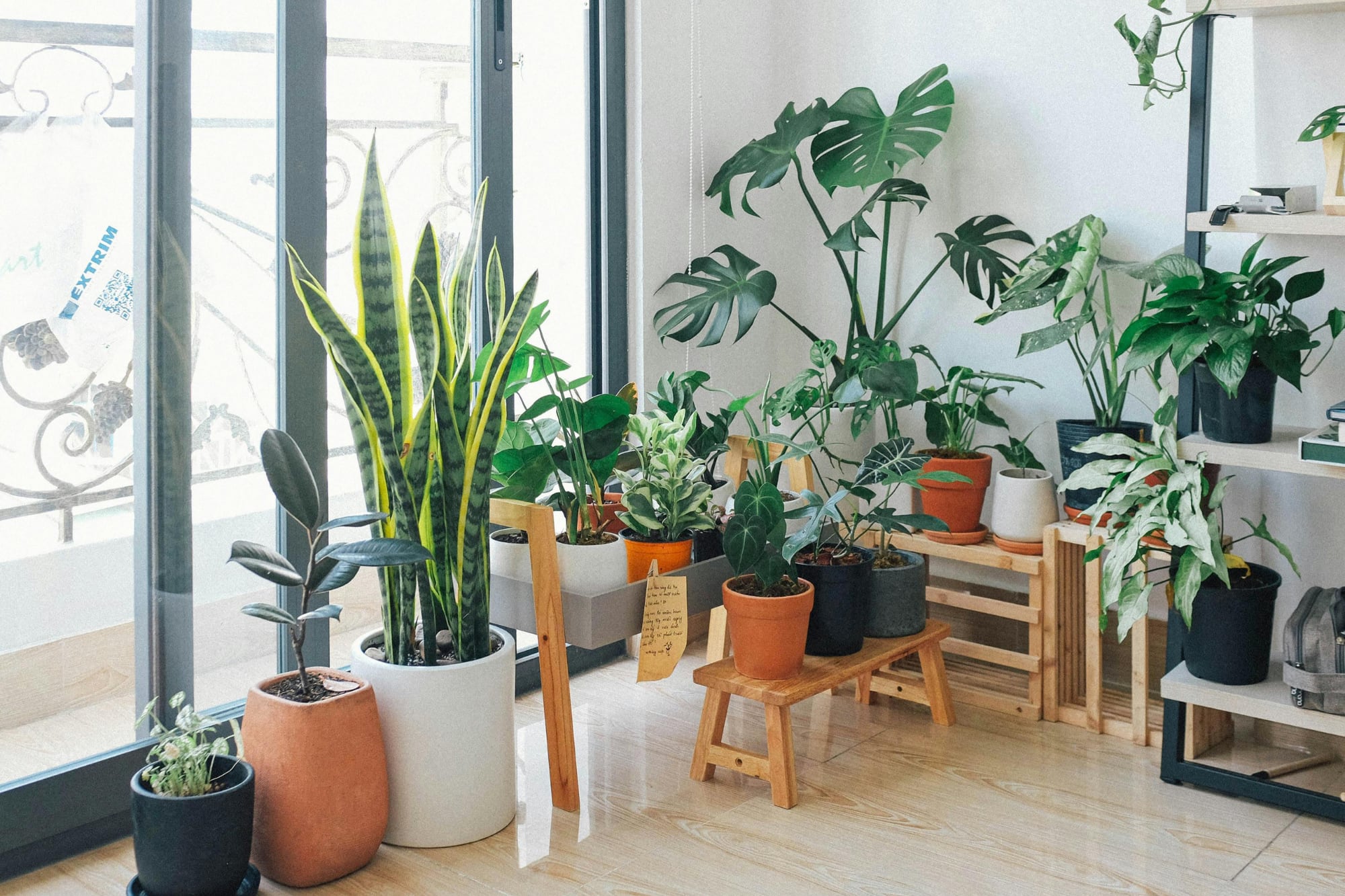
The trend of incorporating numerous houseplants for home decoration is experiencing a significant surge. This growing phenomenon prompts an examination of the underlying reasons and implications for psychology. As more individuals fill their living spaces with greenery, understanding the psychological benefits and motivations behind this trend becomes increasingly important. The presence of plants in indoor environments has long been associated with positive effects on well-being, and this trend suggests a deeper connection between humans and nature within domestic settings. Further exploration is needed to fully grasp the psychological drivers and consequences of this widespread adoption of indoor gardening.
The increasing popularity of houseplants within homes reflects a growing societal desire for biophilic design and a connection to nature, particularly in urbanized environments. This trend may be driven by a subconscious need for natural elements to counterbalance the artificiality of modern living spaces and digital saturation. From a psychological perspective, tending to plants can offer a sense of purpose, mindfulness, and stress reduction. The phenomenon highlights a potential shift in how individuals seek to enhance their mental well-being through their immediate surroundings, suggesting that the integration of natural elements into domestic architecture and interior design could become a more prominent feature in future living spaces, addressing both aesthetic and psychological needs.
AI-generated to prompt reflection — not editorial opinion, not advice, not a statement of fact. How this works.