The Psychology of Blue: How the Colors of Sky and Sea Bring Happiness
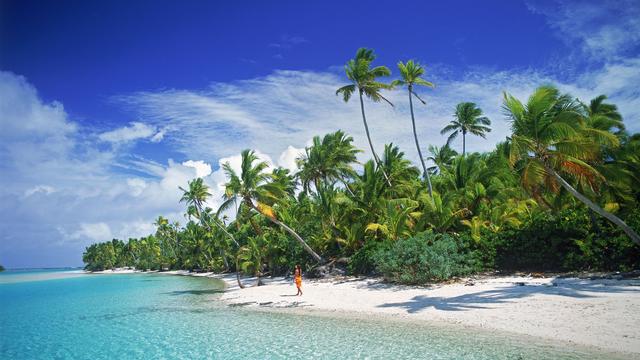
The color blue, often associated with the sky and the sea, has a profound psychological impact on human emotions, frequently evoking feelings of happiness and tranquility. This connection is deeply ingrained in our perception of the natural world, where vast expanses of blue are linked to openness, calm, and stability. The presence of blue in our environment can therefore contribute to a sense of peace and well-being.
Beyond its natural associations, blue is also widely used in branding and design to convey trust, reliability, and serenity. Many corporate logos and public spaces utilize blue to create a positive and calming atmosphere for consumers and visitors alike. This deliberate use of color psychology highlights its power to influence mood and perception on a subconscious level, reinforcing the idea that blue is a color that generally makes people feel good.
The pervasive positive association with the color blue, stemming from its prevalence in natural elements like the sky and sea, demonstrates a powerful human-environment connection. This psychological conditioning, reinforced through cultural and commercial applications, suggests that our perception of colors is not merely aesthetic but deeply functional, influencing emotional states and decision-making. As societies increasingly seek environments that promote mental well-being, understanding and leveraging such color psychology could become a critical factor in urban planning, interior design, and even digital interface development, aiming to foster calm and productivity in an increasingly complex world.
AI-generated to prompt reflection — not editorial opinion, not advice, not a statement of fact. How this works.