The Return of the Reversal
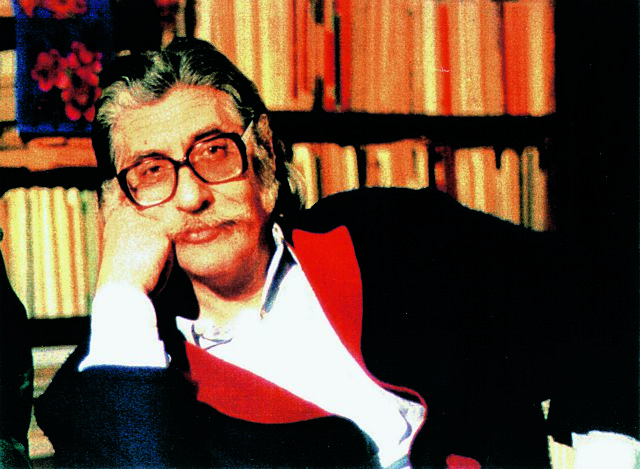
The author reflects on a perceived shift in how reality and narrative are understood, contrasting a past where distinctions were clear with the present ambiguity. Previously, concepts like 'realism' in cinema, exemplified by Vittorio De Sica, were well-defined. However, the author questions the current existence of 'neo-realism' or even 'paleo-realism.' A significant point of contention is the role of writers, who, according to the piece, will soon determine the events of the past. This implies a fluid and potentially manipulated understanding of history and narrative, where authors have the power to reshape established timelines. The article suggests this is a recurring pattern with writers, who seem to possess the ability to alter or redefine previous occurrences. The piece hints at a loss of clear distinctions and a move towards a more subjective or constructed interpretation of events and reality.
This piece critiques a perceived shift from objective reality and established narratives to a more fluid, author-driven construction of events. It suggests a potential erosion of clear distinctions and a move towards subjective interpretation, particularly concerning historical narratives. The analysis prompts consideration of how authorship and narrative control can shape public understanding of past and present events. In an era increasingly influenced by digital media and AI-generated content, the power of narrative framing and the potential for historical revisionism warrant careful examination. Understanding the mechanisms by which narratives are constructed and disseminated is crucial for maintaining a grounded perception of reality and fostering informed public discourse.
AI-generated to prompt reflection — not editorial opinion, not advice, not a statement of fact. How this works.