The Rise of 'Weird Girl Fiction' in Literature and Social Media
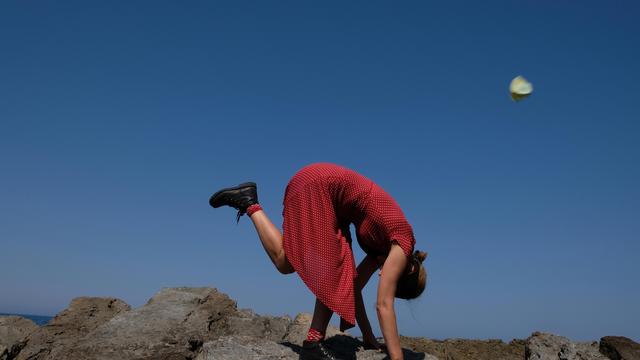
A literary trend known as 'Weird Girl Fiction' is gaining prominence, populating recent literature and being hailed as a trend on social media platforms. This phenomenon raises the question of whether it represents a distinct new genre. These characters are often depicted as aloof, disgusted, and frequently isolated. The emergence of these figures suggests a growing interest in exploring themes of alienation and unconventional female experiences within contemporary storytelling. The trend's visibility on social media indicates a strong resonance with a younger audience, who may identify with or be intrigued by the complex and often solitary nature of these protagonists. The discussion around 'Weird Girl Fiction' highlights a potential shift in literary archetypes and the evolving representation of women in fiction. It invites a deeper examination of the underlying societal factors that contribute to the popularity of such characters and narratives. The exploration of these themes could reflect broader cultural conversations about identity, belonging, and the challenges of navigating modern life.
The emergence of 'Weird Girl Fiction' may reflect evolving societal attitudes towards female identity and social engagement. The emphasis on characters who are 'aloof, disgusted, and often very alone' could signal a cultural shift away from traditional archetypes that prioritize social conformity or overt emotional expression. This trend might be interpreted as a literary response to increasing feelings of alienation or a critique of societal pressures faced by women. The rapid adoption on social media suggests a strong resonance with younger demographics, potentially indicating a desire for more authentic, albeit unconventional, representations of experience. Further analysis could explore whether this trend represents a fleeting internet phenomenon or a more enduring literary movement that challenges established narrative conventions and societal expectations for female characters.
AI-generated to prompt reflection — not editorial opinion, not advice, not a statement of fact. How this works.