The Road to Mohács: Examining the Causes of Hungary's 1526 Catastrophe
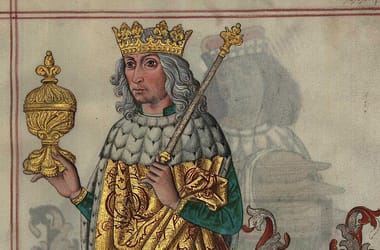
As the 500th anniversary of the Battle of Mohács approaches, a series of articles will explore the circumstances and consequences leading to its dramatic outcome. This first installment focuses on the military policies of Matthias Corvinus and the detrimental state of affairs following his death. The series aims to unravel the complex factors that contributed to the devastating defeat in 1526. It will delve into the strategic decisions and political landscape of the era. The historical context is crucial for understanding the events that unfolded. The analysis will cover the period leading up to the battle and its immediate aftermath. The series promises a deep dive into a pivotal moment in Hungarian history. It seeks to provide a comprehensive understanding of the factors at play. The upcoming parts will continue to build upon this foundational analysis. The goal is to shed light on the long-term ramifications of the catastrophe.
This historical examination seeks to deconstruct the conventional narrative surrounding the 1526 Battle of Mohács, moving beyond simplistic attributions of blame to King Louis II. By focusing on the preceding military policies of Matthias Corvinus and the subsequent political instability, the analysis aims to highlight systemic issues within the Kingdom of Hungary. Understanding the interplay of governance, military strategy, and internal political dynamics in the late 15th and early 16th centuries is crucial. This perspective encourages a nuanced view of historical causation, emphasizing the importance of long-term structural factors over individual agency in shaping national destinies. The examination of these historical events offers lessons on the consequences of political fragmentation and strategic missteps, relevant for contemporary governance and international relations.
AI-generated to prompt reflection — not editorial opinion, not advice, not a statement of fact. How this works.