The Science Behind the Viral 'Carb Mouth Rinse' Trend in Soccer
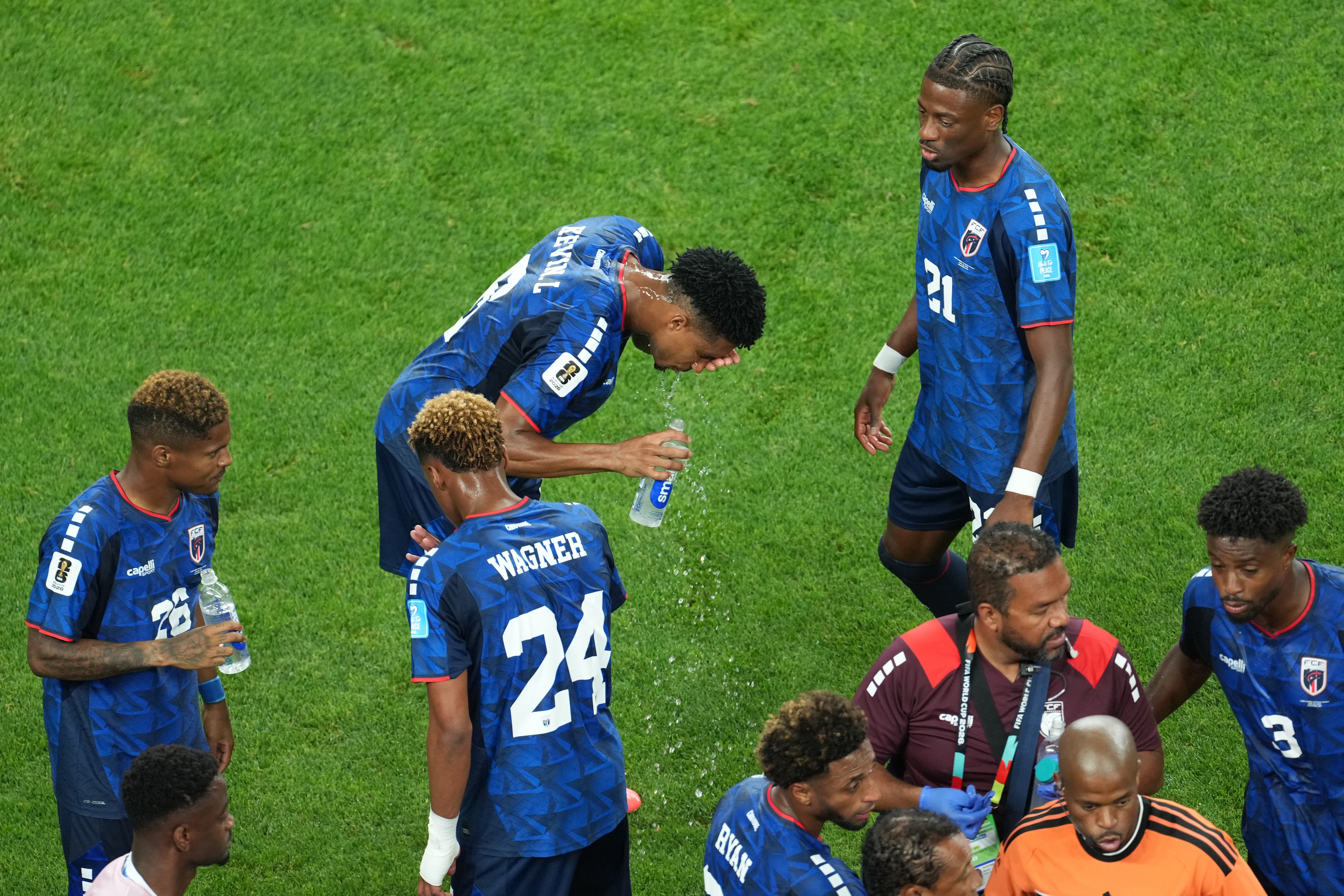
During the 2026 World Cup, videos of soccer players rinsing their mouths with sports drinks and spitting them out without swallowing have gone viral, sparking online speculation. This practice, known scientifically as 'carbohydrate mouth rinse,' is a deliberate strategy employed by athletes, and even performers, to enhance perceived performance. Fernando Valente, a coordinator at the Brazilian Society of Diabetes and director at the Brazilian Society of Endocrinology and Metabology, explains that the technique involves swishing a carbohydrate-rich solution in the mouth for a few seconds before spitting it out. Receptors in the mouth detect the carbohydrates, sending signals to the brain that stimulate areas linked to decision-making and motor control, particularly the prefrontal cortex. This neural activation tricks the brain into believing fuel is available, leading to a reduced perception of effort and a slight improvement in high-intensity exercise performance. Crucially, the body receives no actual calories or glucose from this process; the benefit is purely psychological and neurological. This effect is independent of the athlete's prior nutritional status, meaning it works even if they have already consumed carbohydrates. While the performance gain is modest, typically ranging from 1% to 3%, it can be significant for elite athletes where small advantages can be decisive. A systematic review in Nutrients, analyzing eleven studies, found performance improvements in nine, with gains between 1.5% and nearly 12% in moderate to high-intensity exercises lasting around an hour, primarily observed in cycling and running. For soccer, a 90-minute match, the technique's efficacy is debated, though it might offer benefits during specific high-intensity moments or crucial game phases when perceived effort is highest. The advantage of spitting rather than swallowing is avoiding gastrointestinal discomfort, which can occur with concentrated sugar intake during intense activity. However, if glycogen stores are depleted or for exercises exceeding 75 minutes, actual carbohydrate ingestion is necessary for real energy replenishment. Valente cautions that not every instance of spitting by players is necessarily a carbohydrate mouth rinse, as simpler explanations like habit or discomfort also exist.
The 'carbohydrate mouth rinse' phenomenon highlights the intricate interplay between physiological stimuli and cognitive perception in athletic performance. While scientifically validated for its ability to reduce perceived exertion and marginally enhance output through neural pathways, its practical impact in prolonged, intermittent sports like soccer remains a subject for nuanced evaluation. The technique's effectiveness is contingent on specific intensity and duration parameters, suggesting that its application may be more beneficial during critical junctures rather than as a continuous strategy. This raises questions about the optimal integration of such cognitive-enhancement tools within diverse sporting contexts, particularly as athletes and teams seek marginal gains in an increasingly competitive landscape. Future research may explore personalized protocols that maximize perceived benefits while minimizing potential over-reliance on psychological cues over fundamental physiological needs, especially in the context of evolving AI-driven training and performance analytics.
AI-generated to prompt reflection — not editorial opinion, not advice, not a statement of fact. How this works.