The Search for the Roundest Animal
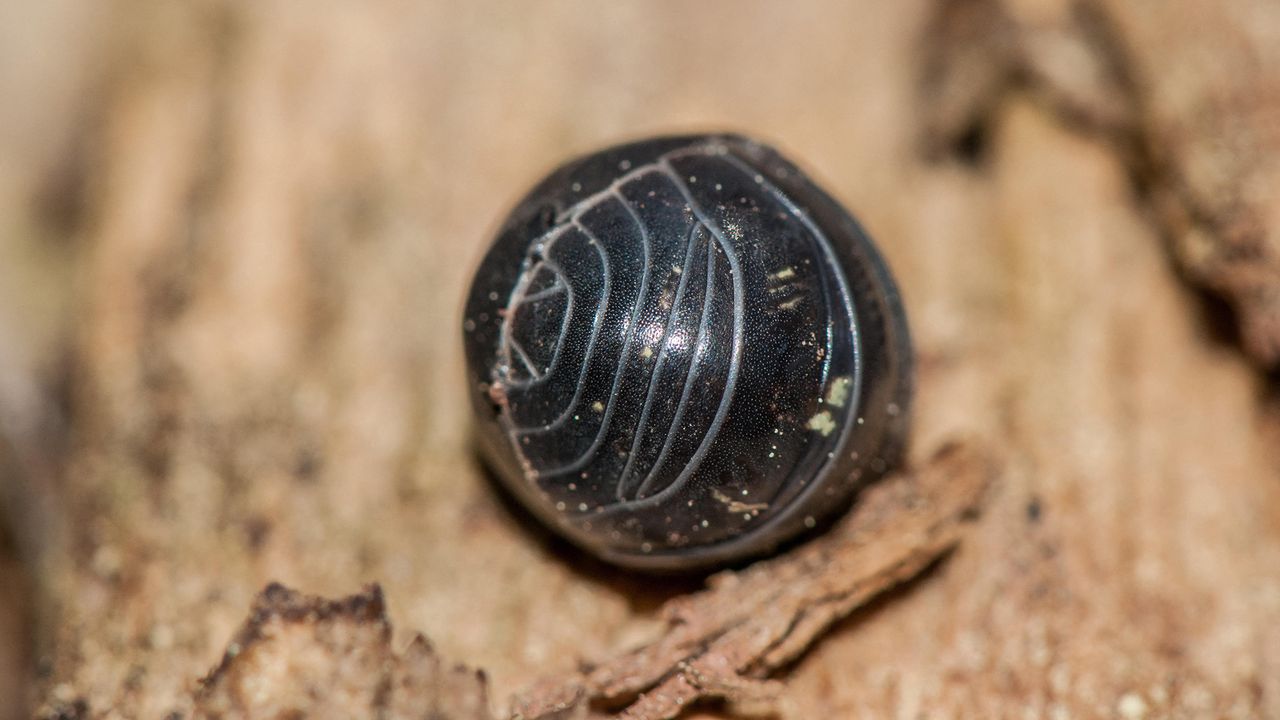
While perfectly spherical creatures are rare, they are more frequently encountered in marine environments than on land. This exploration delves into identifying which animal holds the title of the roundest. The question prompts an investigation into the biological and morphological characteristics that define 'roundness' in the animal kingdom. It suggests that the ocean harbors a greater diversity of such shapes compared to terrestrial ecosystems. The focus is on identifying specific species that exhibit a high degree of sphericity. This inquiry encourages a deeper look at evolutionary adaptations and the physical constraints that shape life in different habitats. The article aims to answer a seemingly simple question by examining the biological realities of animal forms.
This inquiry into the 'roundest animal' serves as a simple yet effective prompt to consider biological diversity and adaptation. It highlights how environmental pressures, particularly in marine versus terrestrial settings, can lead to vastly different evolutionary outcomes in morphology. The concept of 'roundness' itself can be analyzed through the lens of hydrodynamic efficiency, defense mechanisms, or reproductive strategies. Examining such a seemingly trivial characteristic can reveal underlying principles of natural selection and the diverse solutions life has found to thrive across varied ecological niches. The question implicitly invites a comparative approach, encouraging an understanding of the trade-offs inherent in different body plans.
AI-generated to prompt reflection — not editorial opinion, not advice, not a statement of fact. How this works.