The Shifting Global Order: Rival Powers and the Decline of Established Rules
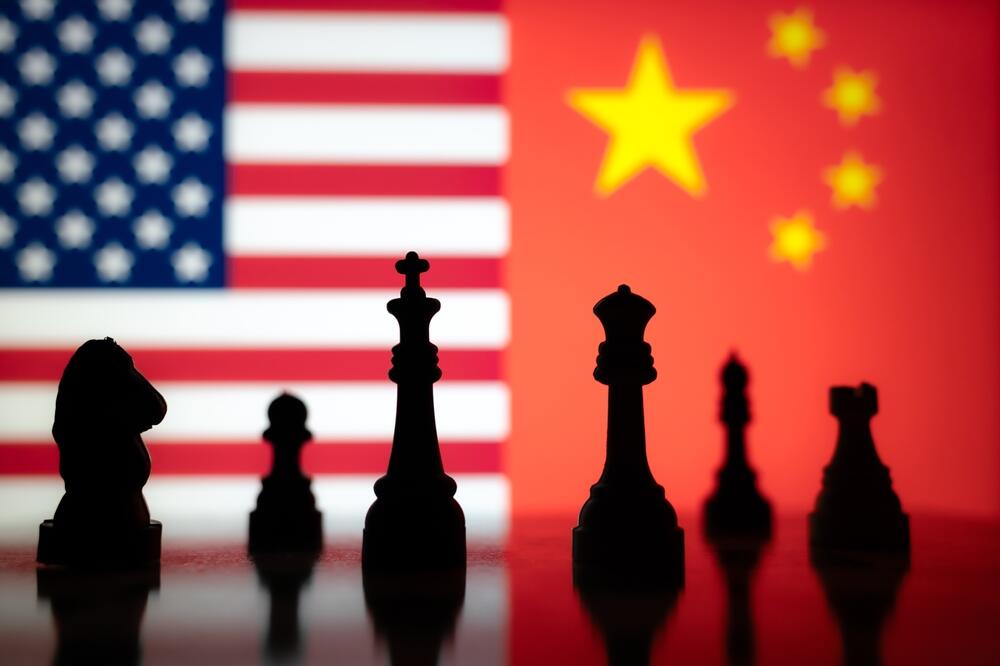
The era of American hegemony has concluded, giving way to a new global order characterized by rivalry and competition among several major powers. This new landscape lacks a fixed set of rules, with economic, technological, and military strength now being the decisive factors. China, in particular, is rapidly increasing its power and influence, a development that is occurring much faster than many observers realize. The previous international system, often perceived as having a stable framework, is being replaced by a more fluid and contested environment. This transition signifies a fundamental change in global power dynamics, where the ability to project strength across multiple domains is paramount. The rise of competing power centers suggests a future where alliances may be more fluid and international relations more complex. The speed of China's ascent is a critical element in this evolving geopolitical landscape. The absence of a universally agreed-upon rulebook means that power projection and strategic maneuvering will likely define international interactions going forward. This shift impacts everything from trade agreements to security alliances, creating uncertainty and new challenges for all global actors.
The observed shift from a unipolar world order to a multipolar system driven by economic, technological, and military competition reflects fundamental changes in global power distribution. The increasing influence of nations like China, driven by rapid advancements, challenges existing international norms and governance structures. This dynamic suggests a transition towards a more complex geopolitical environment where power is diffused, and the efficacy of traditional international institutions may be tested. Future global stability will likely depend on the development of new frameworks for cooperation and competition that acknowledge these evolving power centers and technological capabilities, potentially leading to a redefinition of global governance in the next decade.
AI-generated to prompt reflection — not editorial opinion, not advice, not a statement of fact. How this works.