The Story Behind "Aaj Keno Mon Udashi Hoye": A Beloved Bangladeshi Band Song
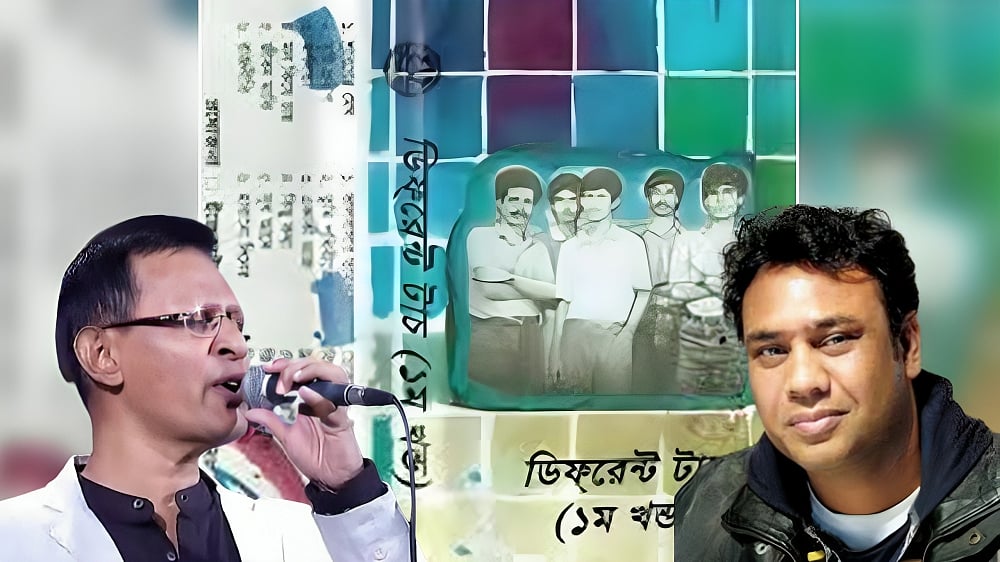
The iconic opening line, "Aaj Keno Mon Udashi Hoye," from the song "Shraboner Meghgulo" by the Bangladeshi band Different Touch, continues to resonate deeply with audiences. This song is a staple at musical gatherings across Bangladesh, frequently streamed on platforms like YouTube and cherished for its ability to evoke nostalgia, especially on rainy or holiday occasions. Recently, the song gained renewed attention following a cyberbullying incident targeting a school principal, Beauty Rani Pal, which sparked widespread solidarity among teachers and messages of support from entertainment figures. The song's enduring popularity stems from its simple, relatable lyrics, making it a signature tune for Different Touch and a frequent cover choice for emerging bands. Its acceptance by listeners remains the primary driver of its success. The genesis of "Shraboner Meghgulo" occurred approximately 40 years ago, in the monsoon month of Srabon in 1987. Lyricist and composer Ashraf Babu recounted to Prothom Alo that the song was created on a rainy night, just before the band was scheduled to record their album. With most of the 12-song album complete, a final track was needed. Inspired by the incessant rain outside his window during the late hours, Babu began writing, capturing the mood of the monsoon. The 12-line song was completed by dawn. The song was first performed by Ali Ahmed Babu and was released on Different Touch's album by Electra Voice. An amusing anecdote shared by Different Touch vocalist Mezbha highlights the song's connection to rain: during a 1991 concert at Jahangirnagar University, rain began shortly after the song started, forcing the event to stop. The following year, at the same venue, rain again commenced as the band began to perform "Shraboner Meghgulo."
The enduring popularity of "Shraboner Meghgulo" highlights the power of relatable emotional expression in music, transcending time and cultural contexts. Its recent resurgence, unfortunately tied to a cyberbullying incident, underscores the persistent challenges of online discourse and the need for digital citizenship education. The song's narrative, born from a specific natural phenomenon, demonstrates how art can capture universal feelings of melancholy and introspection, fostering a shared cultural experience. From a systems perspective, the incident reveals the amplification effects of social media platforms, where both positive solidarity and negative behaviors can spread rapidly. Future considerations for digital platforms and educational institutions might involve developing more robust mechanisms for content moderation and promoting empathetic online interactions, ensuring that cultural touchstones are celebrated rather than becoming targets for harassment.
AI-generated to prompt reflection — not editorial opinion, not advice, not a statement of fact. How this works.