The Summer Afternoon Western: A Genre Facing an Uncertain Future
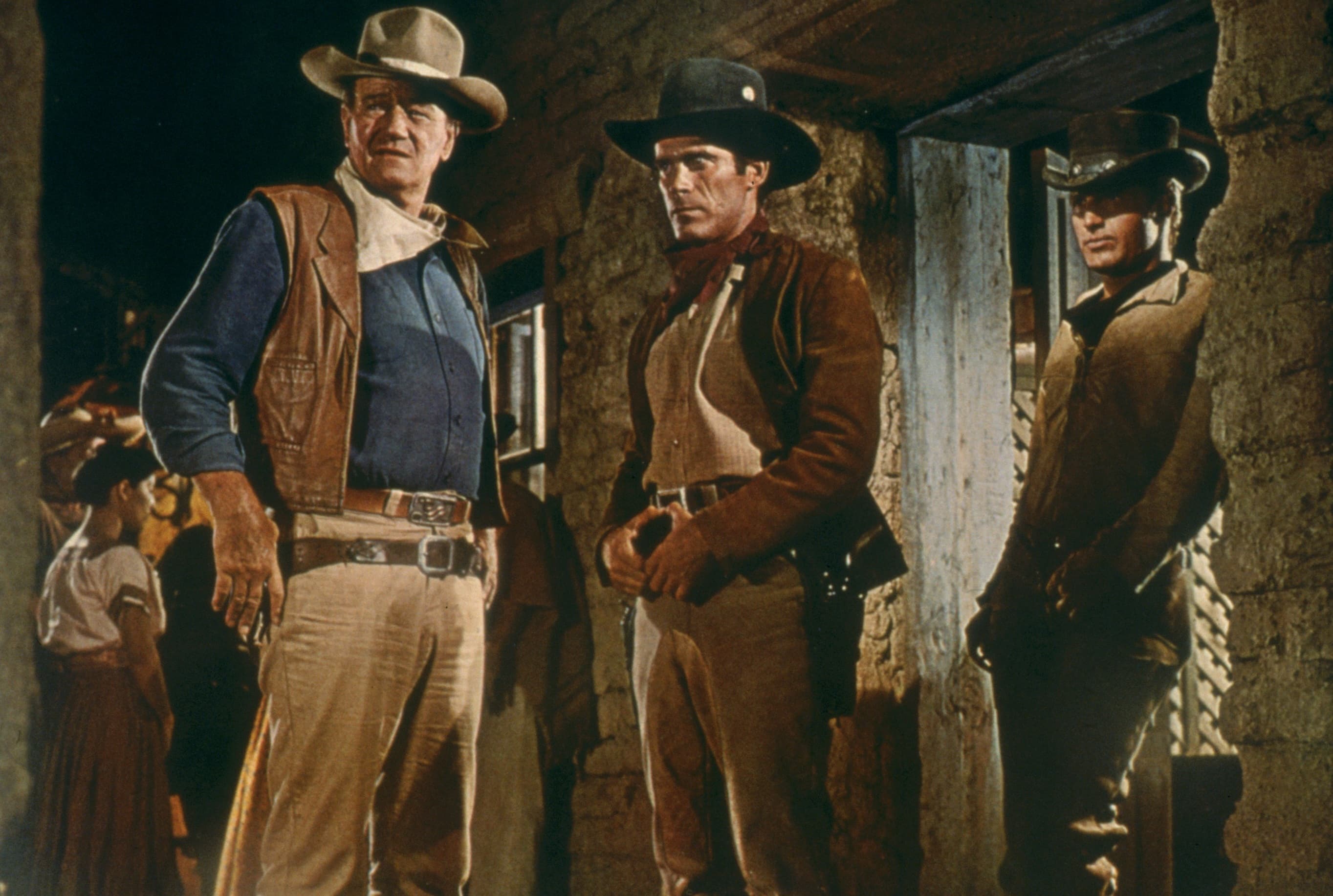
The Western genre remains a staple of television programming, but its long-term survival on air is being questioned. The author wonders if these shows will continue to resonate with audiences when the current primary viewers—grandparents and parents—are no longer present. Specifically, the concern is that younger generations may not have the same nostalgic connection to warm, carefree summer afternoons spent watching these films with their elders. This suggests a potential disconnect between the genre's traditional audience and future viewers. The piece highlights a generational shift that could impact the viewership and relevance of Westerns on television. Without the shared experiences that bind older generations to the genre, its place in future programming schedules might be in jeopardy. The article implies that the emotional and cultural anchors for the Western genre are tied to specific familial memories and shared viewing habits.
The enduring appeal of the Western genre on television appears closely tied to intergenerational viewing habits and nostalgic sentiment. As demographic shifts occur and traditional family structures evolve, content that relies heavily on inherited cultural touchstones may face challenges in retaining audience engagement. Future programming strategies might need to consider how to bridge these generational gaps or find new narrative frameworks to connect with emerging audiences. The long-term viability of such genres may depend on their ability to adapt to changing societal values and media consumption patterns, rather than solely on the preservation of past viewing traditions.
AI-generated to prompt reflection — not editorial opinion, not advice, not a statement of fact. How this works.