The Surprisingly Long History of the 7-Segment Display
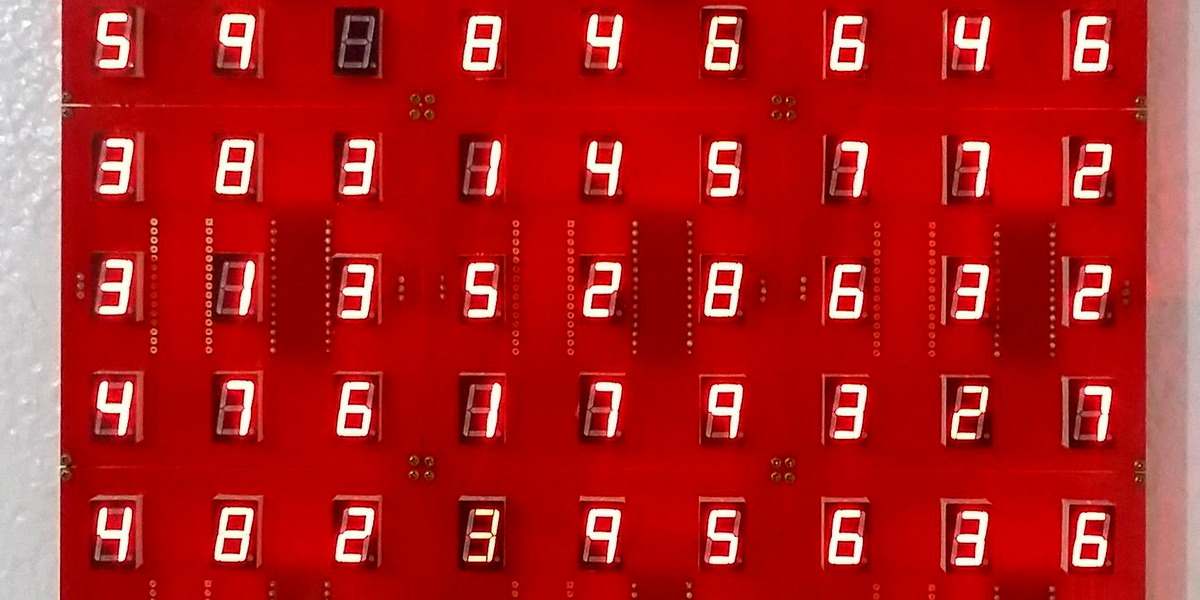
The seven-segment display, a ubiquitous component in electronic devices, has a history that predates its common association with 1970s calculators. While calculators popularized its use, the technology itself is much older. The seven-segment display is a simple yet effective way to represent numerical digits using seven distinct segments. Its early development paved the way for the widespread adoption seen in calculators, digital clocks, and many other electronic instruments. The ingenuity behind its design allowed for clear and concise numerical output, making it a foundational element in the evolution of digital interfaces. This display technology has remained relevant for decades due to its simplicity, low cost, and ease of integration into various electronic circuits. Its enduring presence highlights the power of fundamental design principles in technological advancement.
The seven-segment display's longevity underscores a key principle in technological evolution: foundational simplicity often outlasts complex innovation. While newer display technologies have emerged, the seven-segment's cost-effectiveness and reliability have ensured its continued relevance in specific applications. This enduring presence prompts consideration of how fundamental, low-overhead technologies can maintain market share even in rapidly advancing fields. Future developments may see hybrid approaches, integrating the efficiency of seven-segment displays with the versatility of modern screens, particularly in embedded systems where power consumption and cost are paramount.
AI-generated to prompt reflection — not editorial opinion, not advice, not a statement of fact. How this works.