The Trade-Offs of Autonomous Vehicles: What Personal Freedom Are We Giving Up?
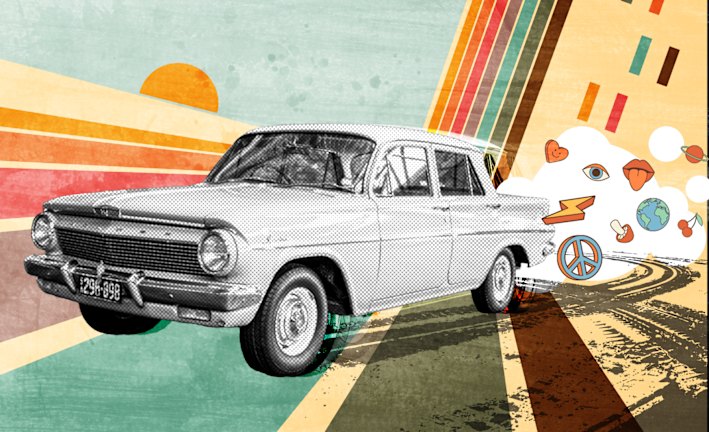
The advent of driverless cars prompts a critical examination of the personal autonomy surrendered to artificial intelligence. As vehicles become increasingly automated, society must consider the extent to which individuals should cede control to AI systems. This transition represents a significant shift in personal freedom and decision-making power. The discussion centers on the balance between the convenience and potential safety benefits of autonomous technology and the inherent value of human control and agency. Ultimately, the question is how much of our personal autonomy are we willing to exchange for the promise of driverless transportation.
The integration of autonomous driving technology necessitates a societal re-evaluation of personal autonomy versus technological advancement. While driverless cars offer potential gains in efficiency and safety, they also represent a transfer of control from human drivers to algorithms. This shift prompts consideration of the long-term implications for individual agency and the potential for over-reliance on automated systems. Examining the incentive structures driving this technological evolution, such as market demand for convenience and perceived safety improvements, is crucial. Understanding these dynamics allows for a more informed discussion about the future of transportation and the evolving relationship between humans and intelligent machines, particularly in the context of an increasingly AI-driven world.
AI-generated to prompt reflection — not editorial opinion, not advice, not a statement of fact. How this works.