The 'Trump Disruption' and Shifting Global Power Dynamics
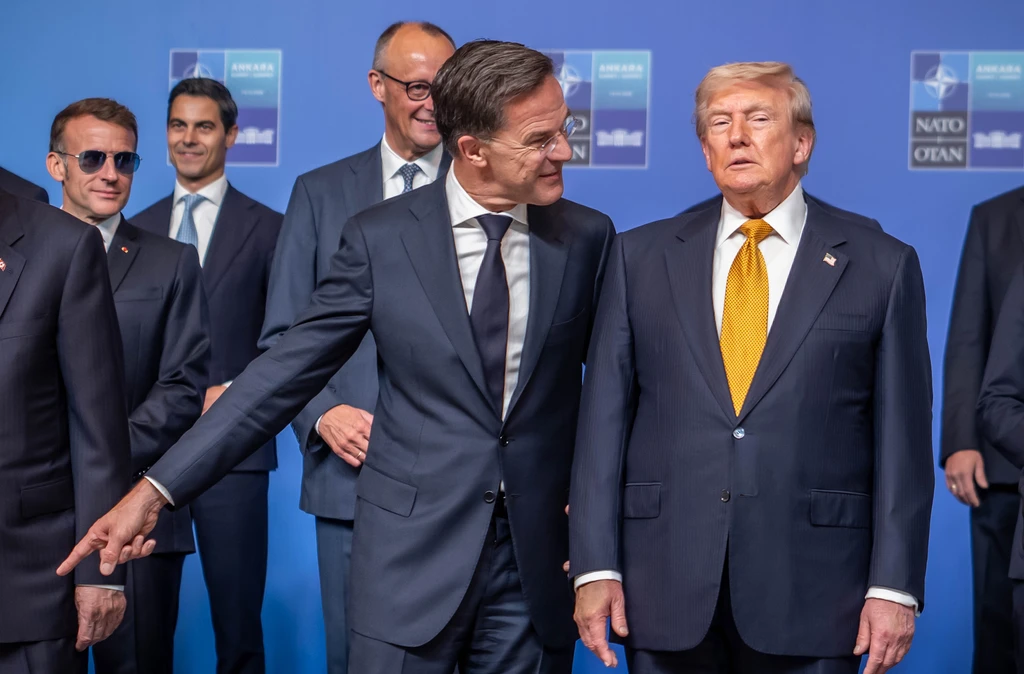
The article reflects on the post-World War II era, when the United States emerged as a global superpower not due to cultural exports like baseball or cheeseburgers, but through its leadership within the Western world. This leadership extended across most domains, fostering a shared path with Europe and Canada in the subsequent years, despite occasional disagreements. The piece suggests a significant shift has occurred, implying that the traditional model of US global leadership is being disrupted. This disruption is framed as a departure from the established post-war order, where American influence was a primary driver of international relations and Western alignment. The author hints at a re-evaluation of the US role and its impact on the global landscape, suggesting that the 'Trump disruption' signifies a fundamental change in these dynamics. The piece contrasts this current era with the post-war period, highlighting a perceived decline in the United States' hegemonic position and its influence over its traditional allies. It sets the stage for a discussion about the consequences of this shift for international cooperation and the future of the Western alliance.
The narrative suggests a perceived erosion of traditional US global leadership, contrasting the post-WWII era of American hegemony with a contemporary 'disruption' attributed to the Trump presidency. This framing invites an examination of evolving geopolitical incentives and the shifting balance of power. The analysis should consider how changes in US foreign policy, trade relations, and international commitments may have influenced alliances and global governance structures. Future trends in international relations will likely involve a more multipolar world, where the efficacy of established alliances and the predictability of major powers' actions become critical factors for global stability and economic cooperation. Understanding these systemic shifts is key to navigating the complexities of the coming decade.
AI-generated to prompt reflection — not editorial opinion, not advice, not a statement of fact. How this works.