The Unfulfilled Promise of USB-B: Why It Lagged Behind USB-A and USB-C
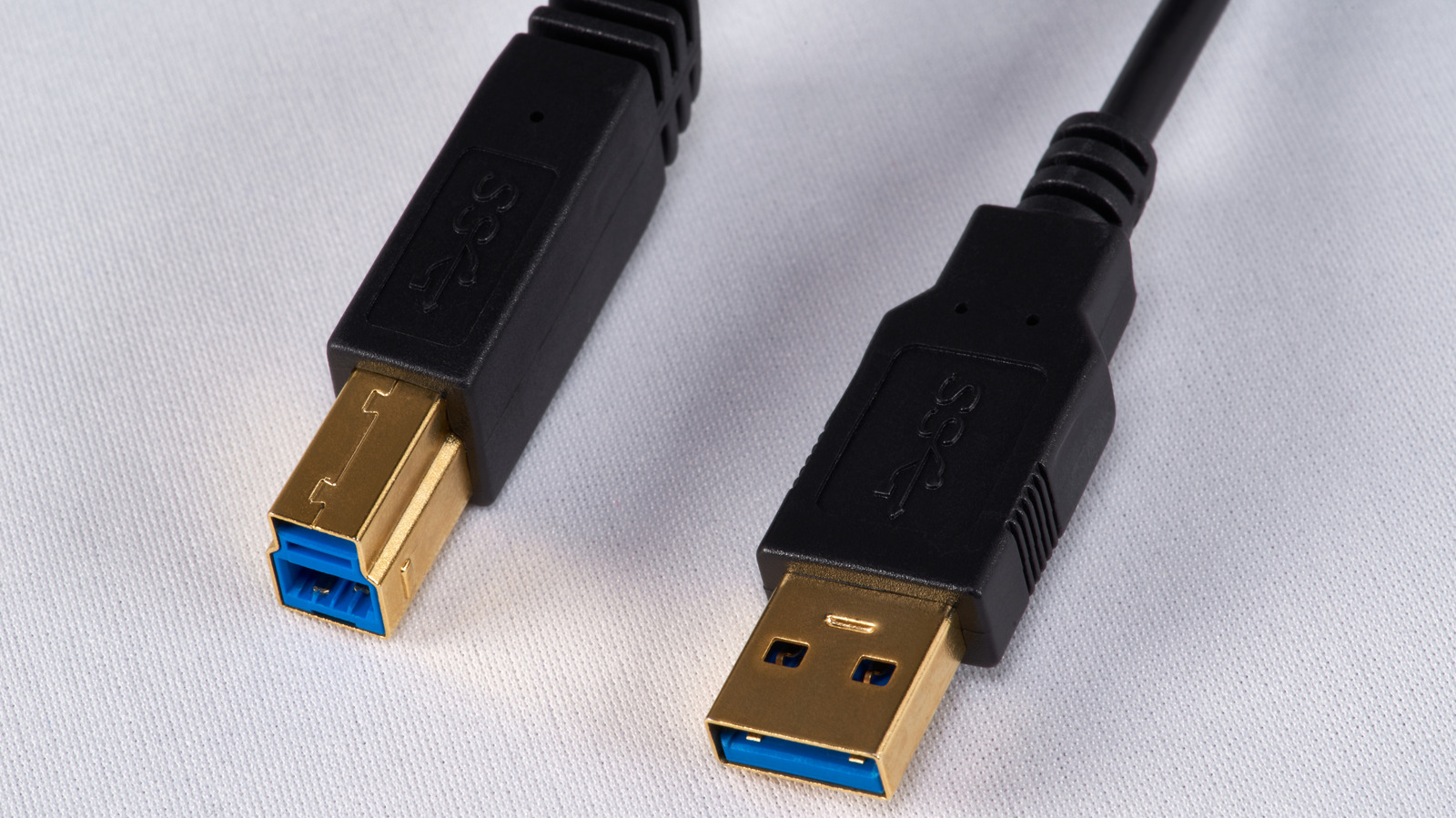
The article explores the reasons behind the limited adoption of the USB-B connector, particularly in contrast to the widespread popularity of USB-A and the newer USB-C standard. While USB-A became the ubiquitous standard for connecting peripherals to computers, and USB-C is now emerging as the universal connector for a wide range of devices, USB-B never achieved similar mainstream success. The design of USB-B, often found on printers and older external hard drives, presented certain drawbacks. Its non-reversible nature meant users had to align it correctly, a friction point compared to the simpler plug-and-play experience of USB-A. Furthermore, as technology evolved, the need for smaller, more versatile connectors grew. USB-C, with its symmetrical and reversible design, along with its support for higher data transfer speeds and power delivery, has largely superseded the need for specialized connectors like USB-B. The article suggests that USB-B's niche application and design limitations ultimately prevented it from becoming a dominant force in the USB ecosystem, unlike its more adaptable siblings.
The evolution of USB connectors highlights the critical role of user experience and adaptability in technological adoption. While USB-B served specific purposes, its physical limitations, such as non-reversibility, created friction points that hindered widespread integration. The success of USB-A and the ascendance of USB-C are testaments to designs that prioritize convenience, universality, and future-proofing. As the tech landscape shifts towards seamless integration and reduced complexity, connectors that offer greater versatility and intuitive use are poised to dominate. This trajectory suggests that future interface design will increasingly favor standardized, reversible, and high-performance solutions capable of supporting diverse functionalities, from data transfer to power delivery, anticipating the demands of an interconnected digital future.
AI-generated to prompt reflection — not editorial opinion, not advice, not a statement of fact. How this works.