The Zohran Mamdani Symptom: How Trumpism Reshaped American Democracy
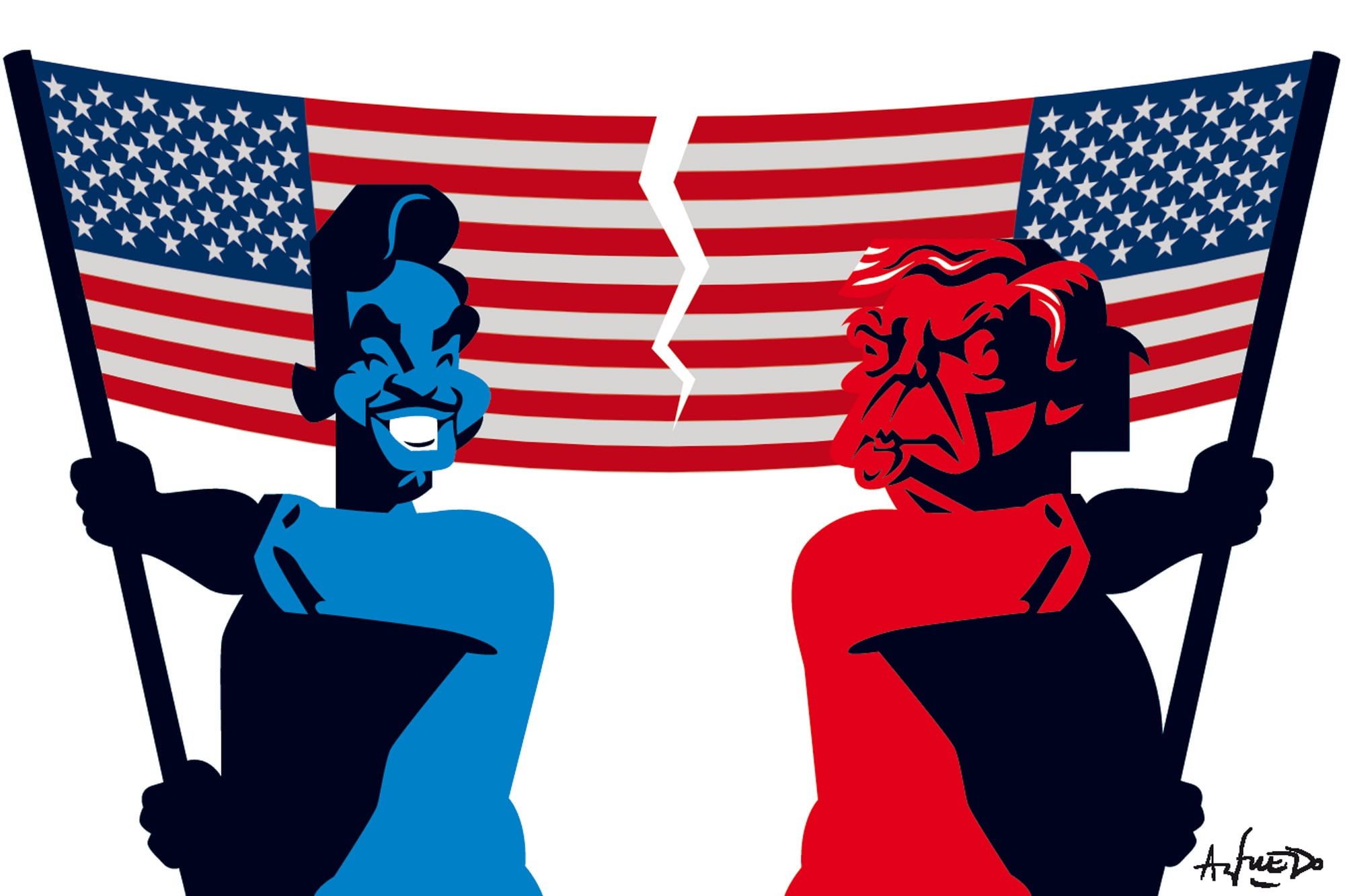
The political landscape in the United States is characterized by a phenomenon where each action generates an inverted reflection, significantly altering the established order. This dynamic is exemplified by the profound impact of Donald Trump, whose influence extended far beyond reshaping the Republican Party. Trumpism has also fundamentally changed the Democratic Party, forcing it to adapt and react to the new political realities. This ongoing transformation suggests a deeper shift in American political ideology and strategy. The article explores how this 'Trumpism symptom' manifests within both major parties, influencing their platforms, rhetoric, and internal dynamics. It highlights the challenges and adaptations faced by Democrats as they navigate a political environment increasingly defined by Trump's legacy. The analysis suggests that this reciprocal influence is a defining feature of contemporary American politics.
The rise of Trumpism has catalyzed a significant realignment within American political parties, demonstrating how populist movements can exert a powerful, albeit often indirect, influence on opposing factions. This dynamic suggests that political actors must continuously adapt their strategies to counter or co-opt the appeal of such movements. The long-term implications for democratic institutions may involve a heightened focus on identity politics and a potential erosion of traditional policy debates. Future political engagement will likely require a nuanced understanding of these evolving ideological currents and their impact on voter behavior and party platforms.
AI-generated to prompt reflection — not editorial opinion, not advice, not a statement of fact. How this works.