Theatrical Clock Manipulates Perception of Time
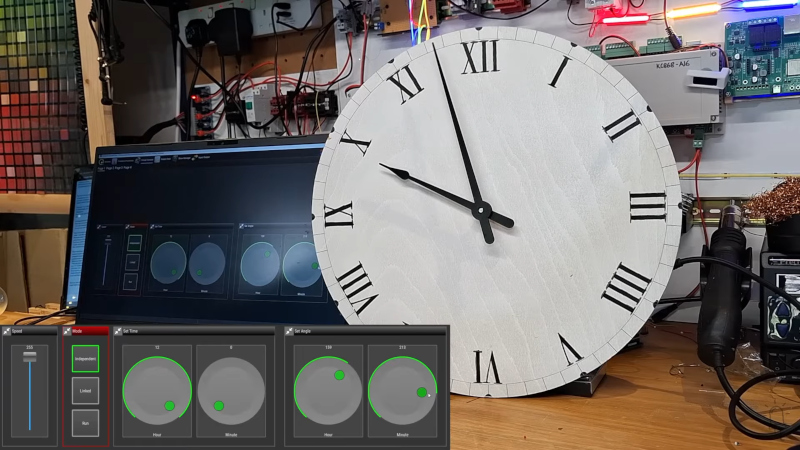
A unique clock designed for theatrical settings challenges the conventional perception of time's passage. Unlike standard timekeeping devices that adhere to a constant rate, this specialized clock is engineered to alter how an audience experiences the duration of events. Its primary function is not to accurately measure seconds, minutes, and hours in a scientific sense, but rather to manipulate the subjective feeling of time within a performance. This allows directors and designers to control the pacing and emotional impact of scenes, making moments feel longer or shorter as needed for dramatic effect. The clock's mechanism is therefore geared towards psychological influence rather than precise chronological measurement. It serves as a tool to enhance storytelling and audience engagement by playing with temporal expectations. The effectiveness of such a device hinges on its ability to create a shared illusion of altered time among the viewers. Ultimately, it redefines the role of a clock from a mere instrument of measurement to an active component of artistic expression.
This theatrical clock represents an innovative approach to audience engagement, leveraging the psychological impact of perceived time. In an era increasingly dominated by rapid information flow and shortened attention spans, the ability to control temporal perception offers a powerful artistic tool. The system's effectiveness relies on the audience's willingness to suspend disbelief and engage with the illusion presented. Future applications could extend beyond theater, potentially influencing immersive experiences in virtual reality or interactive installations. However, ethical considerations may arise if such temporal manipulation is used to exploit or unduly influence audiences outside of a clear artistic context. The underlying principle highlights a fascinating intersection of technology, psychology, and performance art.
AI-generated to prompt reflection — not editorial opinion, not advice, not a statement of fact. How this works.