Theft of 29 animals causes R$110,000 loss in rural São Paulo; 'They took everything,' says farmer
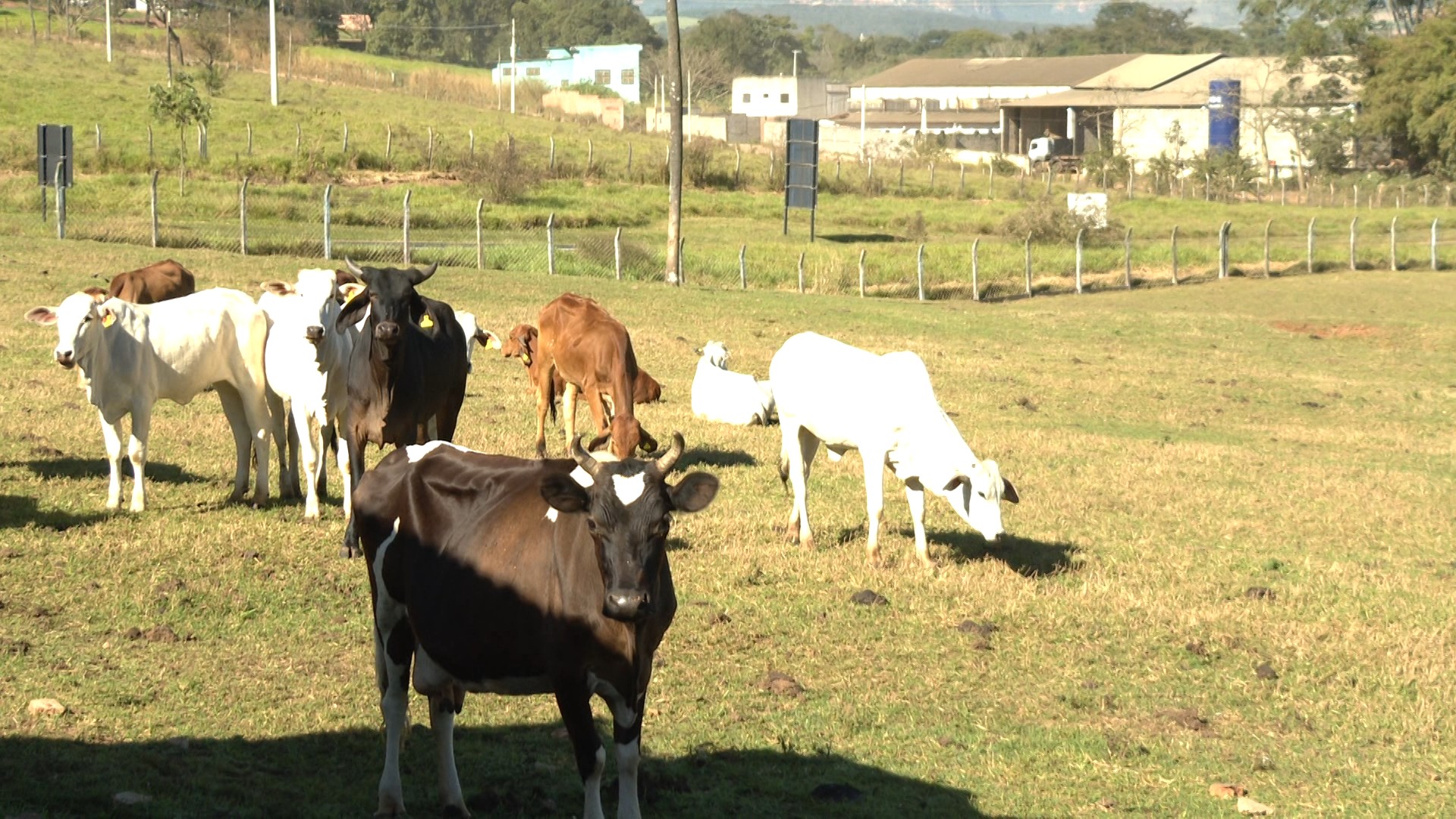
A series of thefts in the rural area of Descalvado, São Paulo, has resulted in significant financial losses and widespread fear among residents and producers. In one incident, thieves broke into a farm and stole 29 animals, causing an estimated loss of R$110,000. The affected farmer, Marcos Roberto de Almeida, reported that valuable items like saddles and a chainsaw were also taken, with the total loss ranging from R$90,000 to R$110,000. He expressed distress over the time and honest effort invested in building his farm, only to have it plundered. Another property, monitored by 16 security cameras, was also targeted. Criminals exploited a blind spot in the surveillance system to steal one ram and nine sheep. The owner, Maria, stated the thieves appeared to have observed the property's routines to execute the theft effectively, causing significant emotional distress. The vulnerability extends to farm workers, with one neighboring property experiencing five invasions in two months. The most recent victim, caretaker José Antônio de Carvalho, had his home ransacked while he was away. Thieves stole appliances, cell phones, an unpaid electric bicycle, and tragically, five newborn puppies. For José, the emotional impact of the theft, particularly the puppies, far outweighed the material losses, shattering his family's sense of security and peace. The local police force, consisting of only 23 officers and 5 vehicles for the entire municipality, is collaborating with the Civil Police to identify suspects. Authorities are advising residents to enhance security measures like gates and lighting. The Secretariat of Public Security emphasized the critical importance of formally registering all incidents to enable effective policing and planning in the region, noting that only the theft of sheep from Maria's property had a formal police report at the time of the article.
The reported wave of rural thefts in Descalvado highlights a critical gap between law enforcement capacity and the security needs of agricultural communities. The narrative suggests a sophisticated criminal element capable of exploiting surveillance blind spots and targeting valuable livestock and possessions, indicating a need for more than just reactive policing. The emotional and psychological toll on victims, as described by the farmer and caretaker, underscores the profound impact of such crimes on rural livelihoods and community well-being. From a systemic perspective, the reliance on a limited police force for a broad geographical area presents a challenge for effective crime prevention and response. The emphasis on formal incident reporting by the Secretariat of Public Security, while necessary for data collection, may not fully address the immediate security concerns or the underlying factors contributing to the rise in these offenses. Future strategies might consider community-based security initiatives, technological solutions tailored for rural environments, and inter-agency cooperation to bolster resources and intelligence gathering.
AI-generated to prompt reflection — not editorial opinion, not advice, not a statement of fact. How this works.