Theft of life-saving equipment from fire stations sparks outrage
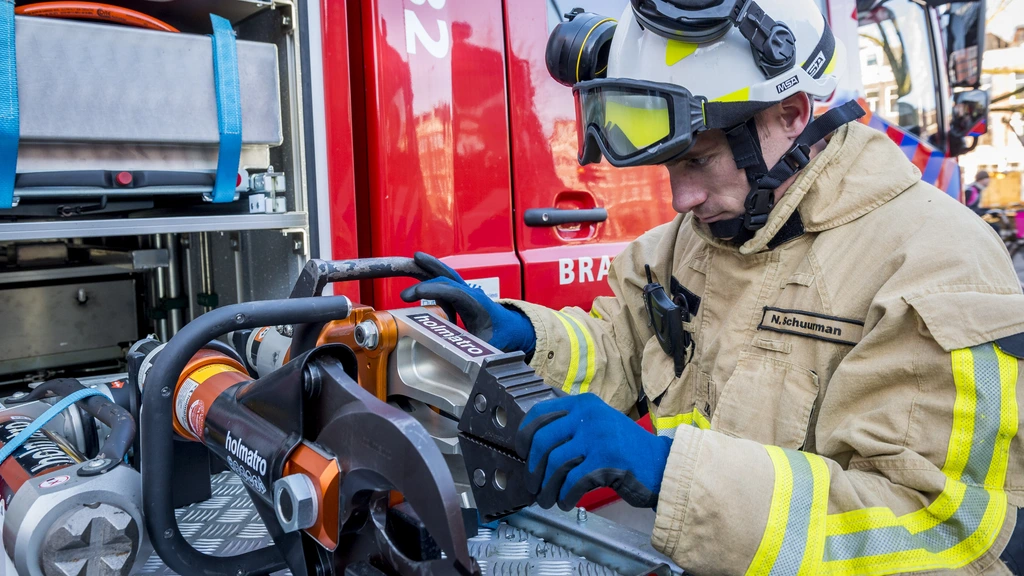
Fire departments are expressing anger and concern over a persistent wave of thefts targeting essential equipment from fire stations across the Netherlands. Since the beginning of the year, 35 stations have reported stolen items crucial for emergency response, primarily hydraulic spreaders and shears. These tools are vital for cutting open vehicles and breaching barricaded doors during rescue operations. In recent days, three separate incidents occurred in North Holland, with break-ins reported in Broek in Waterland, Krommenie, and Monnickendam. While Krommenie specifically lost life-saving tools, the other burglaries resulted in only property damage.
Commandant Frank Kuntz of the Zaanstreek-Waterland fire department condemned the thefts as "antisocial and unacceptable," emphasizing that thieves likely do not comprehend the potential life-threatening consequences of their actions. He believes criminals are specifically targeting this specialized equipment, as similar items are repeatedly stolen. A single hydraulic spreader or shear can cost over 10,000 euros, and Kuntz suspects thieves are using them for similar purposes, such as forcing open locks or heavy doors. The equipment must remain readily accessible in fire trucks for rapid deployment, making storage in safes impractical due to the time delay, which could be critical in life-or-death situations. Fire departments are exploring preventative measures to deter criminals and are working with suppliers to maintain adequate stock, while also ensuring affected units are quickly re-equipped with reserve materials.
The repeated theft of critical emergency response equipment highlights a systemic vulnerability in the accessibility requirements of vital public services. While the immediate impact is the financial cost and operational disruption, the underlying issue is the tension between rapid deployment needs and security protocols. The analysis of this situation should focus on incentivizing better security infrastructure without compromising response times, potentially through technological solutions or collaborative security models among emergency services. Future considerations might involve exploring decentralized storage or advanced tracking systems for high-value, mission-critical equipment, ensuring public safety is not jeopardized by criminal opportunism.
AI-generated to prompt reflection — not editorial opinion, not advice, not a statement of fact. How this works.