Therapy Horse and Dog Bring Comfort to Hospital Patients in Southern Brazil
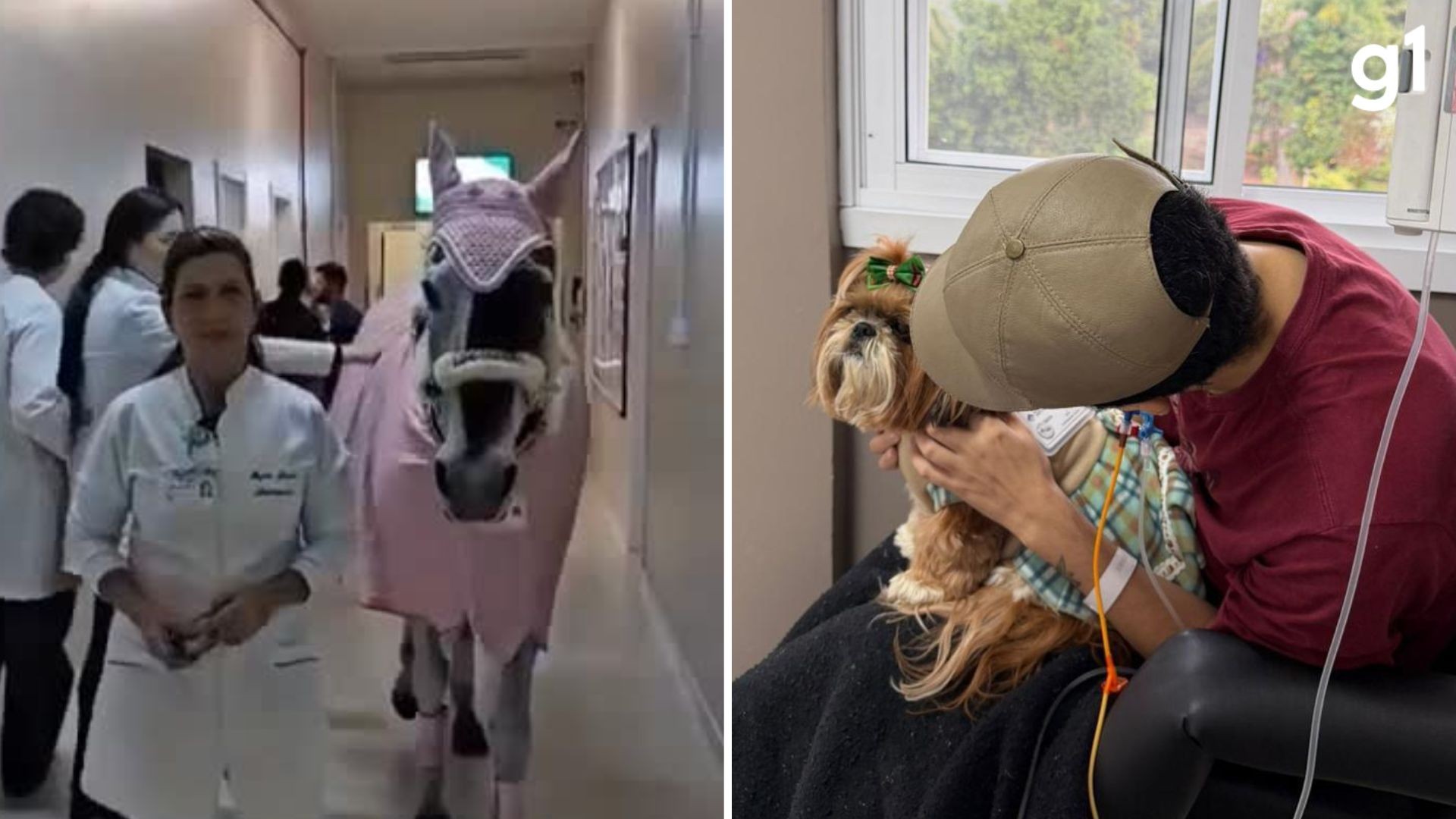
A unique therapeutic initiative at Hospital Sapiranga in Rio Grande do Sul, Brazil, is bringing comfort and aid to patients through the visits of a horse named Sereia and a dog named Akira. This program, "Patinhas e cascos que acolhem vidas" (Paws and Hooves that Welcome Lives), was conceived by art therapist Rejane Beatriz, who has worked at the hospital for 12 years. Beatriz observed that animals possess a remarkable ability to connect with patients' emotions on a level that words often cannot reach. The therapeutic duo, Akira the dog and Sereia the horse, engage with patients across various hospital departments, including general wards, pediatrics, maternity, and the intensive care unit (ICU). Akira is known for her immediate warmth and ability to break down barriers, evoking protective instincts, while Sereia's calm and gentle presence offers a sense of peace and acceptance. Patients receive weekly visits from Akira and bi-weekly visits from Sereia, with joint visits occurring on special occasions. The hospital reports that these animal interactions lead to reduced stress, improved mood, and enhanced sensory stimulation, thereby supporting patient recovery. Beatriz emphasizes that the animals provide non-judgmental presence, which is often crucial for individuals experiencing distress and withdrawing from human interaction. Strict sanitary protocols are followed for Sereia's hospital visits, including thorough cleaning and a clinical evaluation before each session. Both animals are adopted, with Akira being a rescue puppy and Sereia joining Beatriz in 2019, demonstrating exceptional docility and emotional balance suitable for therapeutic work. The initiative highlights the profound impact of animal affection in fostering deep connections and aiding the healing process.
This initiative exemplifies the growing recognition of animal-assisted therapy's potential benefits in healthcare settings, particularly in fostering emotional connection and reducing patient stress. The program's success hinges on the animals' ability to provide unconditional presence and non-verbal comfort, addressing psychological needs that may be unmet by traditional therapeutic approaches. From a systems perspective, integrating animals into hospital environments requires robust protocols to manage biosecurity and ensure animal welfare, demonstrating a commitment to both patient safety and ethical animal treatment. Looking ahead, such programs could inform broader healthcare strategies that prioritize holistic patient well-being, leveraging interspecies connection as a complementary therapeutic modality. The challenge lies in scaling these initiatives while maintaining high standards of care and adapting to diverse clinical settings, potentially requiring further research into optimal animal selection, training, and integration models within healthcare systems.
AI-generated to prompt reflection — not editorial opinion, not advice, not a statement of fact. How this works.