Thessaloniki Arson Attacks: Anti-Terrorism Unit Simulates Perpetrator Movements
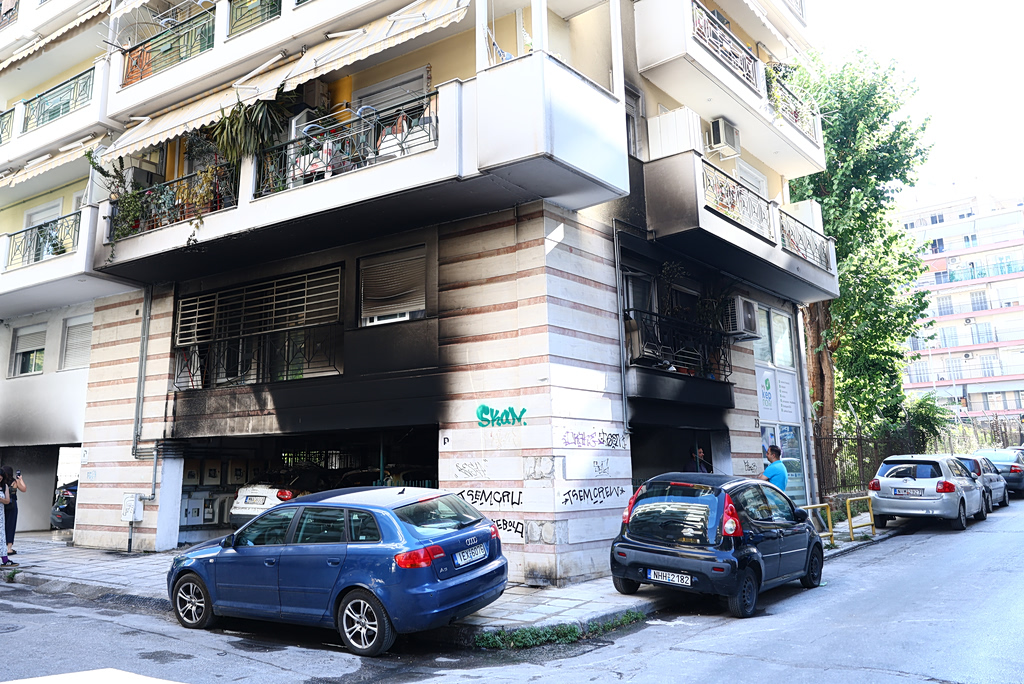
The Greek Anti-Terrorism Unit has conducted a simulation to map the movements of perpetrators involved in arson attacks in Thessaloniki. Police officers utilized motorcycles, mirroring the timing of the actual attacks. Investigators are currently gathering evidence, including video footage, to reconstruct the actions of those responsible. The simulation aims to enhance the understanding of the operational methods used during these incidents. This effort is part of a broader investigation to identify and apprehend the individuals involved in the arsonist activities. The collected data will be crucial in developing strategies to prevent future occurrences and improve response times. The unit is meticulously analyzing all available information to build a comprehensive profile of the perpetrators and their modus operandi.
The Anti-Terrorism Unit's simulation highlights a proactive approach to understanding and potentially preventing future acts of arson. By reconstructing the perpetrators' movements and timing, authorities aim to identify vulnerabilities in security and response protocols. This data-driven methodology, employing simulations and evidence collection, is crucial for law enforcement agencies navigating complex security challenges. The focus on mapping perpetrator actions, rather than solely on reactive measures, suggests a strategic shift towards predictive policing and threat assessment in the face of evolving criminal tactics. Such simulations can inform urban planning and security infrastructure development, contributing to a more resilient public space.
AI-generated to prompt reflection — not editorial opinion, not advice, not a statement of fact. How this works.