Thessaloniki Arson Attacks: Evidence Points to Suspects
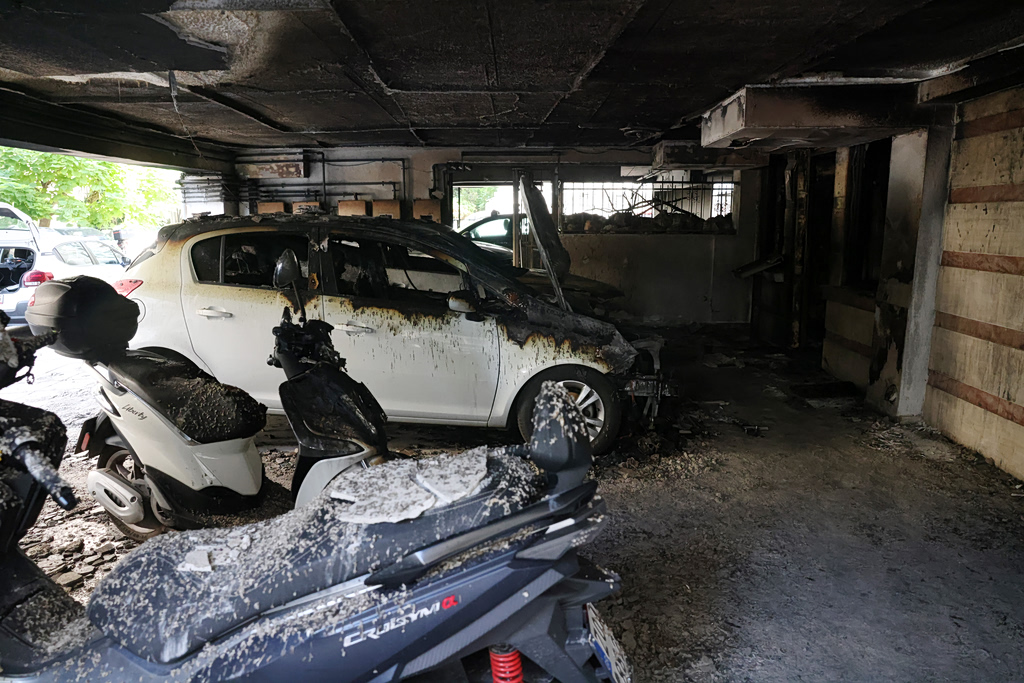
The Anti-Terrorism Unit is profiling suspects in a series of arson attacks in Thessaloniki. Investigators are focusing on evidence gathered from security camera footage and mobile phone location data. These elements are considered crucial in identifying and apprehending those responsible for the incidents. The unit aims to establish a clear picture of the perpetrators' modus operandi and potential motives. The ongoing investigation seeks to build a strong case based on the collected digital and visual evidence. Authorities are working diligently to bring the individuals involved to justice. The detailed analysis of surveillance videos and cell tower data is expected to provide significant leads. This systematic approach is vital for ensuring public safety and preventing further criminal activity.
The investigation into the Thessaloniki arson attacks highlights the increasing reliance on digital forensics, including security camera footage and mobile phone data, for criminal investigations. This approach reflects a broader trend where technological surveillance plays a pivotal role in law enforcement's ability to identify and apprehend suspects. The effectiveness of such methods hinges on the quality and accessibility of data, as well as the legal frameworks governing its collection and use. As technology advances, law enforcement agencies must continually adapt their strategies to leverage these tools while respecting privacy rights and due process. The challenge lies in balancing security imperatives with civil liberties, ensuring that the pursuit of justice does not infringe upon fundamental freedoms.
AI-generated to prompt reflection — not editorial opinion, not advice, not a statement of fact. How this works.