Thessaloniki: Explosive Witness Testimony on Arson Attacks Under Investigation
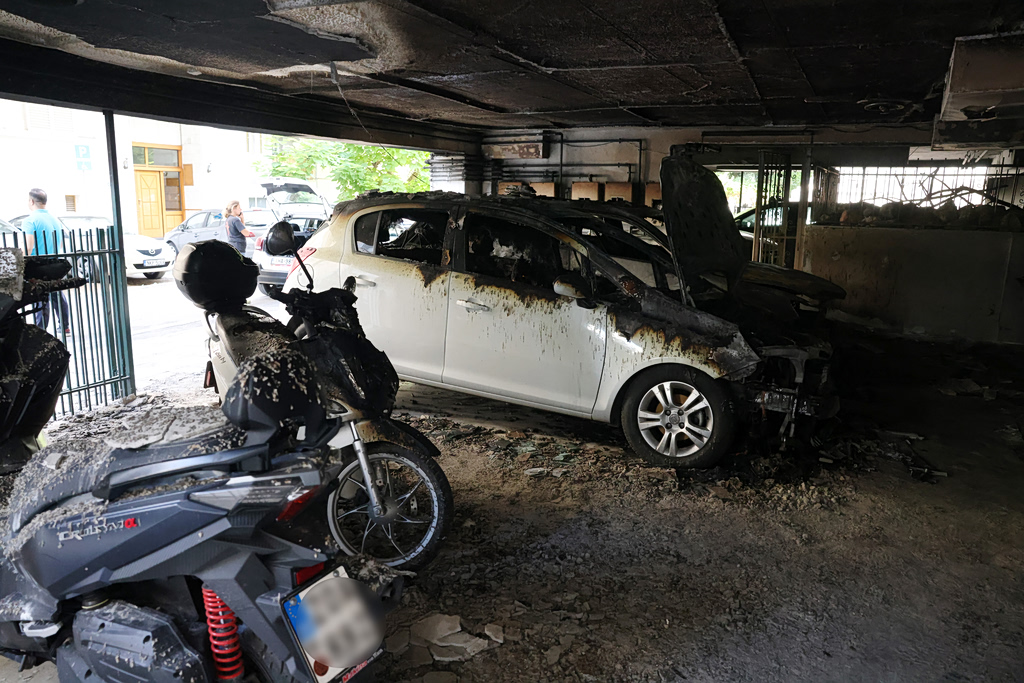
Authorities in Thessaloniki are investigating a series of arson attacks, with explosive witness testimony now central to the probe. The investigation is expected to involve the lifting of communication privacy and extensive mobile phone data sweeps in the affected areas. This development signifies a significant escalation in the efforts to identify and apprehend those responsible for the destructive incidents. The focus on digital forensics, including cell phone data, suggests law enforcement is pursuing a comprehensive strategy to piece together the events leading up to and during the attacks. The use of witness accounts alongside technological surveillance indicates a multi-pronged approach to solving the case. Further details are anticipated as the investigation progresses and more information becomes available from the analysis of collected data and testimonies.
The investigation into the Thessaloniki arson attacks highlights the increasing reliance on digital forensics and witness accounts in modern law enforcement. The planned lifting of communication privacy and mobile phone sweeps indicate a strategy to leverage data analytics for identifying patterns and connections among potential suspects. This approach, while powerful, raises important considerations regarding data privacy and civil liberties. The effectiveness of such measures often depends on the precise legal frameworks governing data access and usage, as well as the accuracy and reliability of the collected information. Moving forward, balancing robust investigative capabilities with the protection of individual rights will be a key challenge for authorities.
AI-generated to prompt reflection — not editorial opinion, not advice, not a statement of fact. How this works.