Thessaloniki: From Eastern City to European Identity
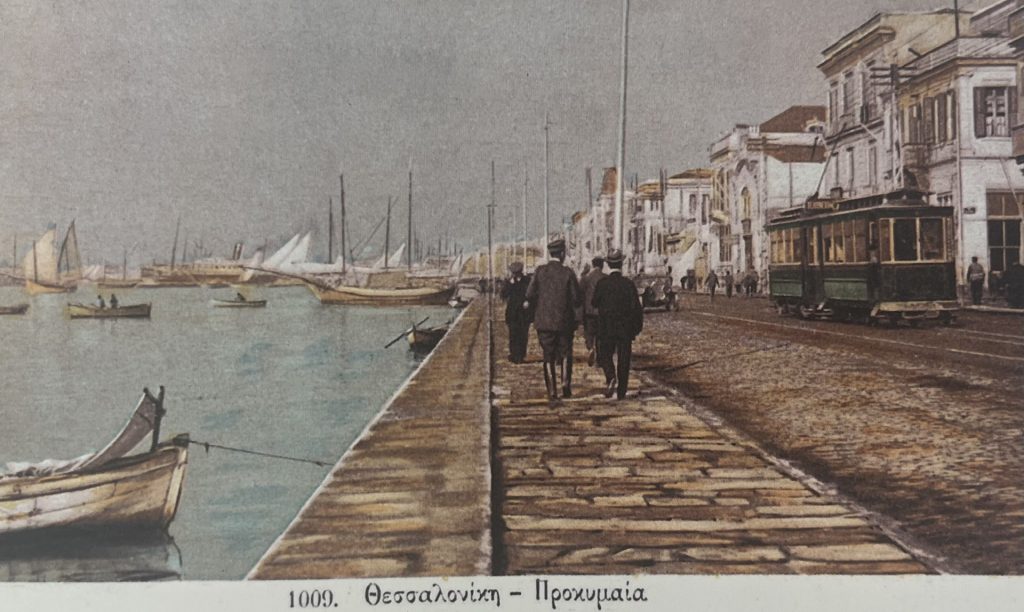
A new book explores the transformation of Thessaloniki, tracing its evolution from an Eastern city to one with a European identity. The work specifically examines how Jewish and Greek communities rediscovered themselves amidst significant political and economic upheavals. These broader societal shifts profoundly influenced the cultural and social fabric of the city. The book delves into the historical processes that reshaped the city's character and the self-perception of its inhabitants. It highlights the interplay between external forces and internal community dynamics. The narrative focuses on the period of significant change, capturing the essence of this identity shift. The exploration aims to provide a comprehensive understanding of Thessaloniki's unique historical trajectory. It underscores the resilience and adaptability of its communities through turbulent times. The book offers insights into how cities and their populations forge new identities in response to changing global landscapes.
This historical account of Thessaloniki's identity shift highlights the complex interplay between external political and economic forces and internal community dynamics. The narrative suggests that periods of significant upheaval can act as catalysts for profound self-redefinition within both ethnic and national groups. Understanding these processes is crucial for analyzing how urban centers adapt to evolving geopolitical landscapes and globalizing influences. The book's focus on the rediscovery of identity by Jewish and Greek communities offers a lens through which to examine the broader phenomenon of cultural resilience and adaptation in the face of historical change. This perspective can inform future urban planning and cultural preservation strategies by emphasizing the importance of acknowledging and integrating diverse historical narratives.
AI-generated to prompt reflection — not editorial opinion, not advice, not a statement of fact. How this works.