Third Fatality Confirmed in BR-316 Road Accident in Maranhão
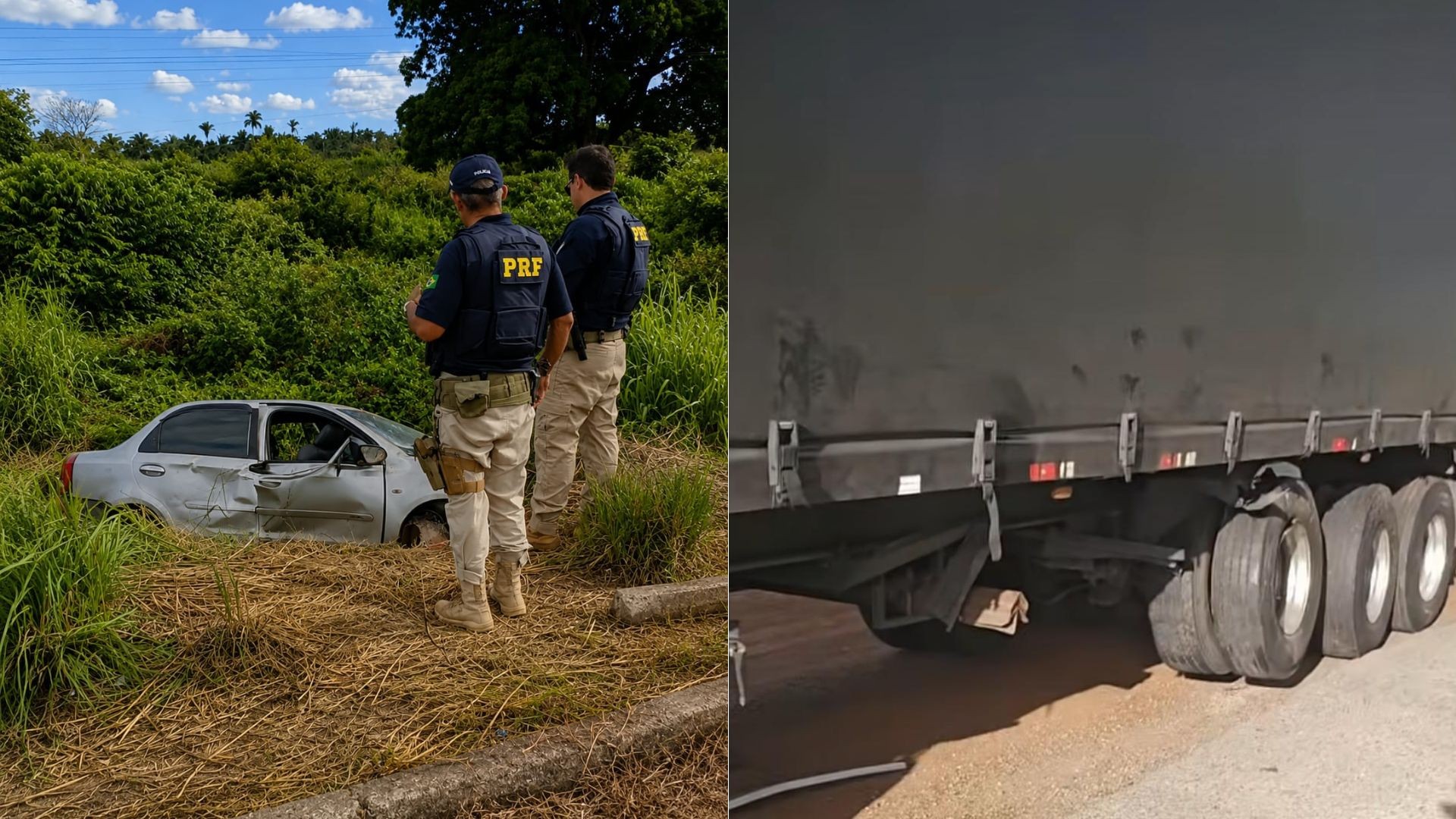
A professor and neuropsychopedagogue, Ana Paula Senna Lécio, has died in a hospital, becoming the third victim of a severe road accident on BR-316 in Olho d’Água das Cunhãs, Maranhão. She had been hospitalized in critical condition after the vehicle she was traveling in veered off the road and down an embankment during a trip to Teresina, Piauí. The accident occurred on Monday, June 6th. Two other victims, Helena Silva Fernandes and Gerci Senna Lécio, Ana Paula's mother, died at the scene and were trapped in the wreckage. Initial investigations suggest the car was en route to Teresina when the driver attempted to avoid an animal on the road. The maneuver resulted in a collision with a truck's tire, causing the car to leave the highway and descend the embankment. Ana Paula and another unidentified victim were rescued by the Mobile Emergency Care Service (SAMU) and taken to the Dra. Laura Vasconcelos Regional Hospital in Bacabal. The condition of the fourth passenger has not been disclosed. Gerci Senna Lécio and Ana Paula are scheduled to be buried on Tuesday, June 7th, in Governador Nunes Freire, while details for Helena Silva's burial have not been released. Authorities will investigate the circumstances surrounding the crash.
This tragic incident highlights the persistent dangers of rural road infrastructure and wildlife encounters in Brazil. The sequence of events—an animal on the road, a swerving maneuver, a collision with a truck, and a subsequent embankment descent—points to systemic vulnerabilities in road safety management, including inadequate signage, fencing, and potentially vehicle speed. The response by emergency services and the subsequent investigation are critical steps in addressing immediate causes and preventing future occurrences. Looking ahead, integrating advanced driver-assistance systems and improving road maintenance and wildlife mitigation strategies will be crucial for enhancing safety across Brazil's extensive highway network, particularly in regions prone to such hazards.
AI-generated to prompt reflection — not editorial opinion, not advice, not a statement of fact. How this works.