Third Pilgrim Dies After Bus Accident in Canindé, Ceará
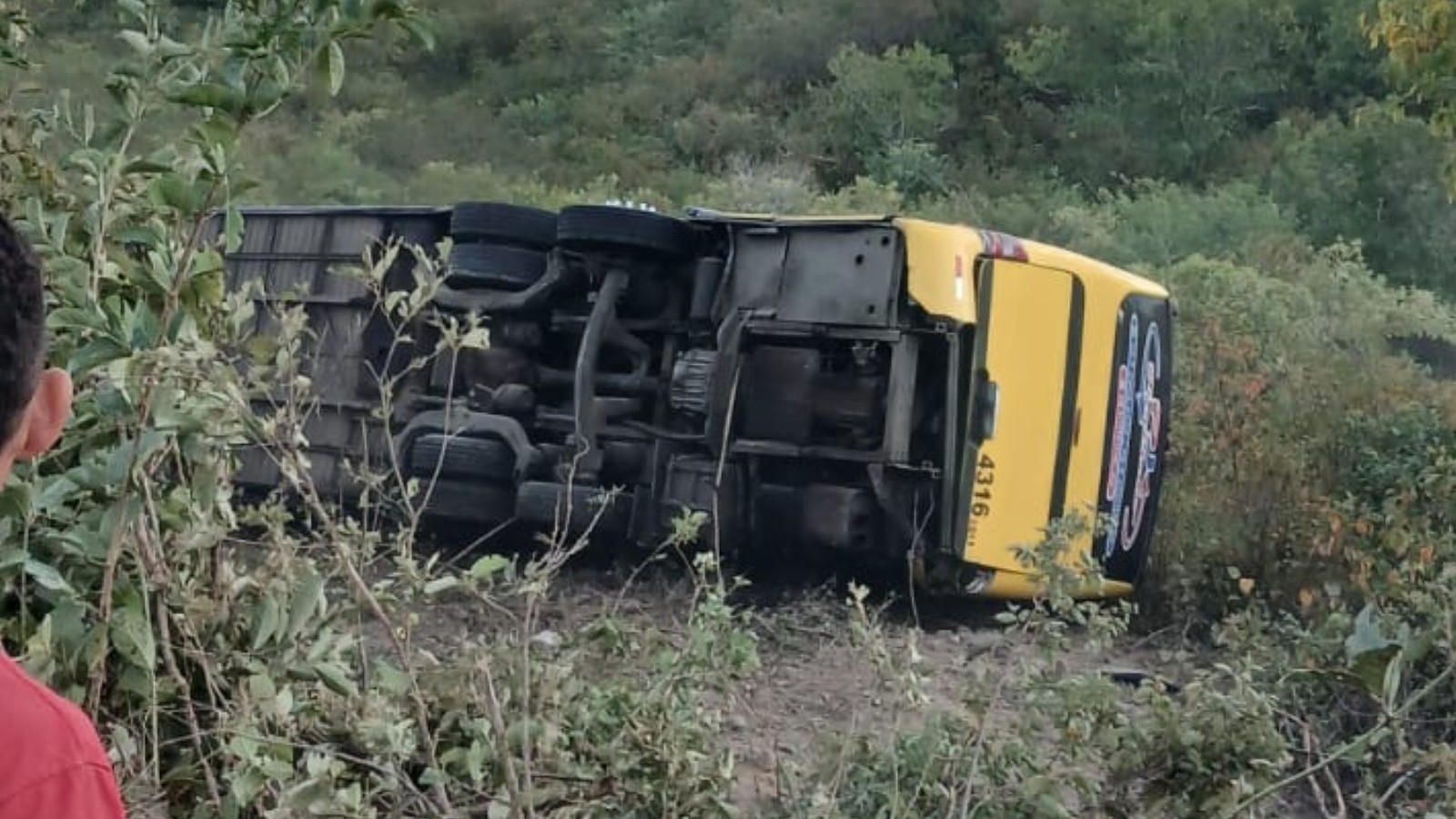
A third person has died following a bus accident that occurred on Saturday, April 4th, in Canindé, Ceará, Brazil. The bus was carrying over 40 pilgrims to religious activities in Canindé when it overturned on the CE-456 highway in the rural area of Juá. Neusa Inácio da Silva, 79, passed away on Tuesday, April 7th, while being treated in the Intensive Care Unit at the Municipal Hospital of Brejo Santo. She had been rescued and transferred to the hospital on the day of the accident. Two other passengers, Selma Maria de Souza, 58, and Sandra de Raimundo Esperdião, 55, died at the scene and were buried on Monday, April 6th. The bus had departed from Vila São Sebastião, in the rural area of Brejo Santo, and was headed to Canindé. Twelve injured individuals remain hospitalized in Canindé, Quixeramobim, and Fortaleza. Seven of these, including two children and five adults, were transferred to the Hospital Instituto Doutor José Frota (IJF) in Fortaleza; two children and one adult have since been discharged. The cause of the accident is under investigation by the Civil Police. The driver claims he swerved to avoid an oncoming truck, while passengers allege he fell asleep at the wheel. Emergency services, including firefighters from Canindé, Baturité, and Quixadá, responded to rescue passengers, some of whom were trapped and suffered amputations.
This tragic event underscores the critical importance of robust vehicle maintenance and driver safety protocols, particularly for commercial transport operations. The conflicting accounts regarding the cause of the accident highlight potential systemic issues in oversight and accountability within the transportation sector. Investigations must thoroughly examine not only driver fatigue but also vehicle condition and road safety infrastructure. Moving forward, implementing stricter regulations on driving hours, mandating advanced safety technologies, and ensuring comprehensive driver training could mitigate future risks. The incident also raises questions about the preparedness of local emergency services to handle mass casualty events, suggesting a need for enhanced response capabilities and resource allocation in rural areas to minimize loss of life and injury.
AI-generated to prompt reflection — not editorial opinion, not advice, not a statement of fact. How this works.