Third Suspect in Pregnant Woman and Child's Murder Dies in Police Confrontation in Maranhão
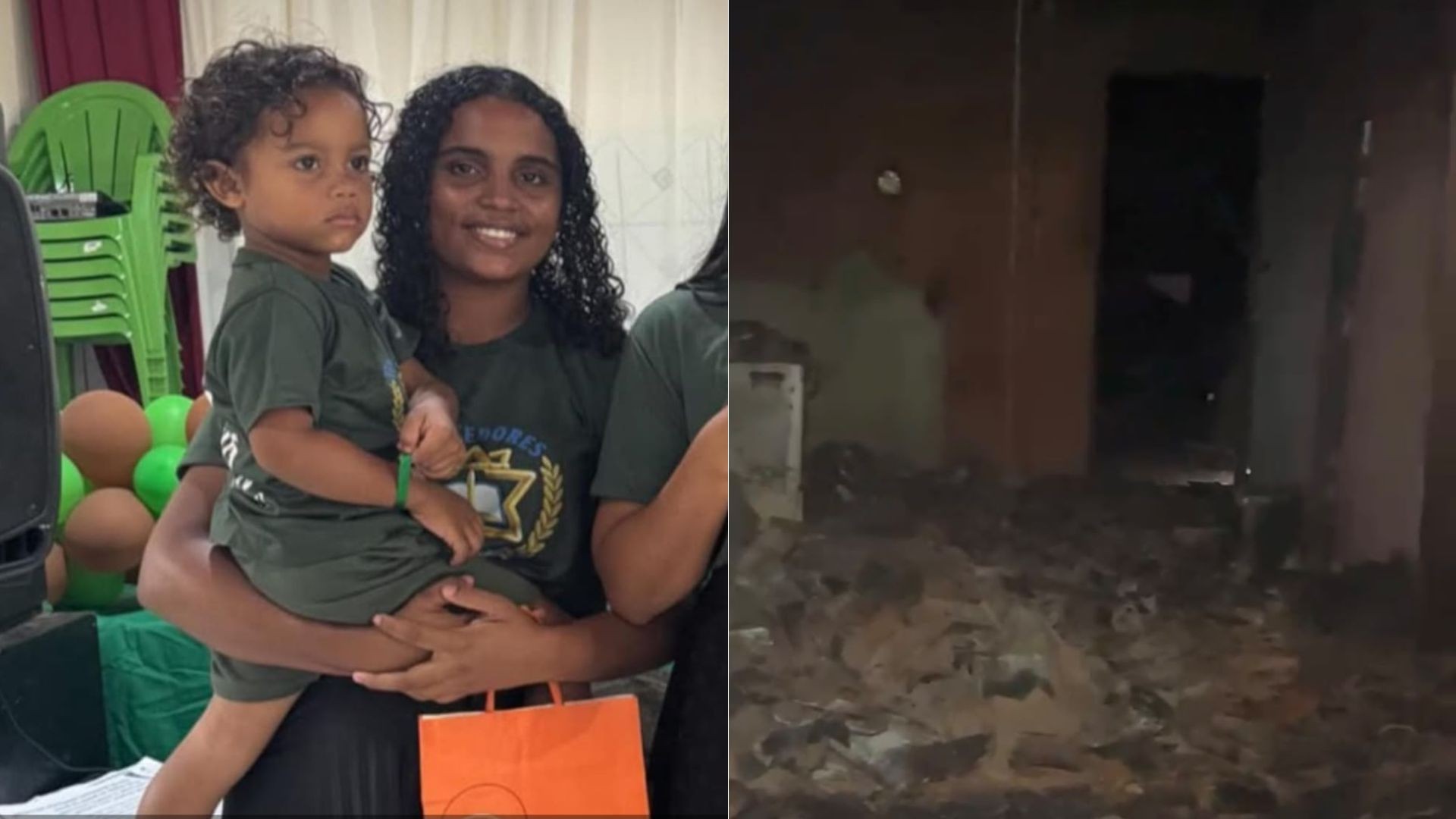
João Henrique Lindoso Silva, also known as “João Preto,” was the third suspect involved in the attack that killed a pregnant woman and her 4-year-old son to die in a confrontation with police in the rural area of São João Batista, Maranhão. The Maranhão State Public Security Secretariat (SSP-MA) confirmed this information on Tuesday, February 14th. Police have identified all suspects in the attack, with two others, David João Gaspar Penha and Joelson Braga Araújo, having died in prior police actions on Sunday, February 11th. A third suspect detained on Sunday was released due to insufficient evidence for immediate arrest, according to delegate Ederson Martins.
Investigators believe the attack was motivated by the victim's partner, Josef Abreu Santos, switching criminal factions. Delegate Ederson Martins stated that Josef allegedly left his original faction or departed without authorization, prompting retaliation. The perpetrators reportedly targeted Josef, but attacked his family, Samira Costa Correia and their son Yan Kaleb Costa Santos, when he was not found at their residence. The attack, which occurred on Friday, February 10th, involved approximately 15 armed men who invaded the home, fired numerous shots, and set the house ablaze. Around 100 spent shell casings from various calibers were recovered at the scene.
Josef Abreu Santos has been interviewed by police, but his statement details have not been released to protect the ongoing investigation. Authorities are still searching for other identified individuals involved in the crime. Forensic examinations are underway to determine the exact cause of death for Samira and Yan, as their bodies were found carbonized. DNA testing has been conducted to aid in their identification and release from the medical examiner's office. The investigation is ongoing, with multiple law enforcement agencies involved in the search for the remaining perpetrators.
This incident highlights the brutal consequences of inter-gang rivalries, where individuals are targeted for perceived disloyalty or defection. The law enforcement response, resulting in the deaths of multiple suspects, underscores the high-stakes nature of these operations. Moving forward, a critical focus should be placed on dismantling the underlying structures that enable such violence, potentially through intelligence-led operations targeting leadership and financial networks, rather than solely focusing on street-level confrontations. The long-term challenge involves addressing the socio-economic factors that may contribute to gang recruitment and the perpetuation of factional conflict.
AI-generated to prompt reflection — not editorial opinion, not advice, not a statement of fact. How this works.